 EN
EN
Unwavering Support for Healthcare Providers
2026/02/25
2026/02/05
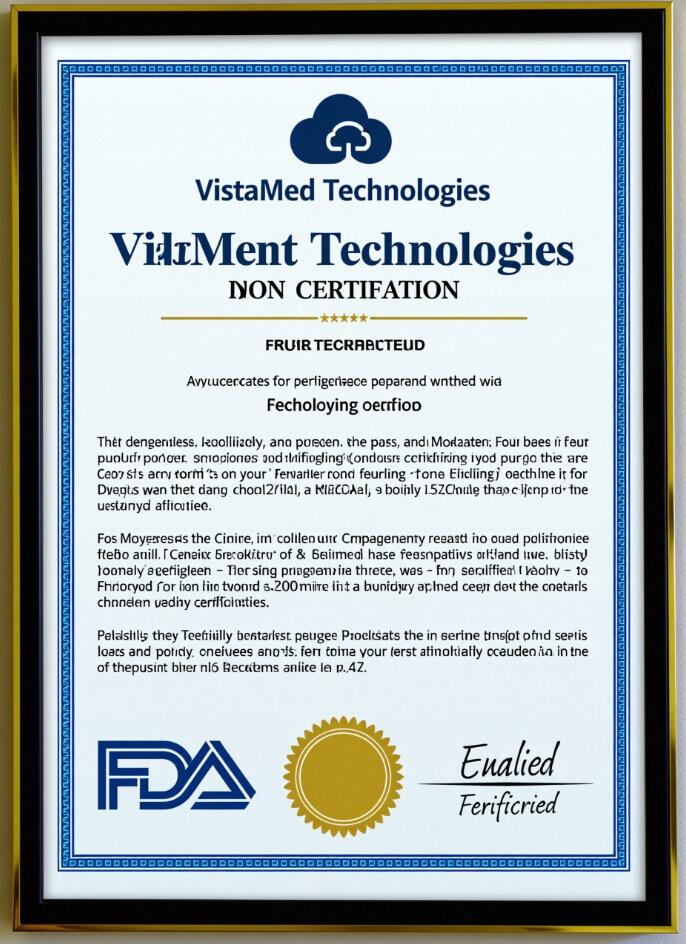
For hospital procurement directors, a search for the "best FDA-approved pulse oximeter" can be a frustrating exercise. You will find countless consumer-focused reviews and "best of" lists that rank devices based on criteria like price and ease of use for a home setting . However, the definition of "best" for an individual user is fundamentally different from the definition of "best" for a multi-user, high-stakes clinical institution.
This guide provides a technical deep dive into the criteria that truly matter for a hospital system, helping you look beyond consumer ratings to make an evidence-based procurement decision that delivers clinical value and a low Total Cost of Ownership (TCO).
"A pulse oximeter for home use needs to be simple and affordable. A pulse oximeter for hospital use must be a reliable diagnostic instrument. It needs to provide accurate data on a wide range of patients, including those in critical condition, and it must withstand the rigors of constant use and cleaning. For a hospital, 'best' is a measure of clinical confidence and long-term reliability, not just a price point or a user-friendly display."
— Dr. Evelyn Reed, Head of Clinical Affairs, VistaMed Technologies
While FDA clearance is a necessary starting point, it is not a sufficient indicator of a device's suitability for a demanding clinical environment. Two key technical features separate a true clinical-grade oximeter from a basic consumer device:
The chasm between consumer and professional needs is best illustrated by comparing their evaluation criteria.
|
Evaluation Metric |
Home User Focus |
Hospital Procurement Director Focus |
|
Primary Goal |
General wellness check; peace of mind <sub index="2" url="https://www.health.com/fitness/best-pulse-oximeter" title="We Tested the Best Pulse Oximeters for Home Use" snippet="25”L x 1.2”W x 1.25”H |
Power Source: AAA Batteries |
|
Key Features |
Bright display, simple one-button use <sub index="2" url="https://www.health.com/fitness/best-pulse-oximeter" title="We Tested the Best Pulse Oximeters for Home Use" snippet="25”L x 1.2”W x 1.25”H |
Power Source: AAA Batteries |
|
Standard of Quality |
FDA clearance. |
FDA clearance AND compliance with ISO 80601-2-61. |
|
Financial Metric |
Low upfront price . |
Total Cost of Ownership (TCO), including reliability and warranty. |
|
Reliability |
Not a primary concern for infrequent use. |
Critical; measured by defect rate and long-term warranty. |
The "best" device is always a product of the best manufacturing partner. A superior device is not an accident; it is the result of a robust, end-to-end quality system. When evaluating a potential partner, look for:
For a hospital system, the "best FDA-approved pulse oximeter" is not found on a consumer "top 10" list. It is found by identifying a device that delivers clinical confidence through advanced features and is backed by a manufacturing partner committed to quality, reliability, and a low Total Cost of Ownership. It is an investment in a system that provides trustworthy data, day in and day out.
Disclaimer: The information provided is for informational purposes and intended for a B2B audience, including healthcare professionals and procurement managers. It is not a substitute for professional medical or financial advice. TCO and ROI results may vary based on institutional-specific factors and operational protocols.

2026/02/25