 EN
EN
Unwavering Support for Healthcare Providers
2026/02/25
2026/02/02
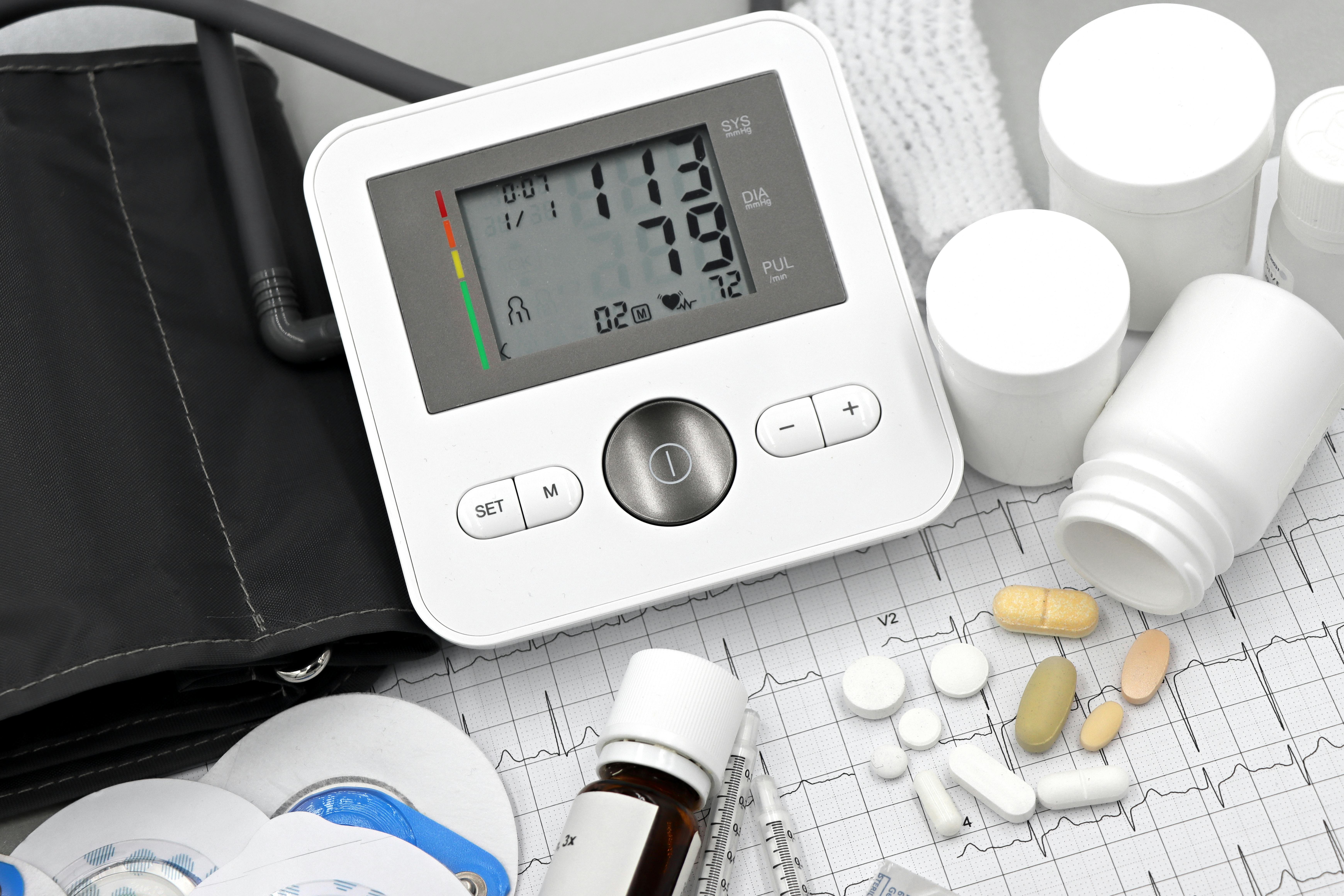
For hospital procurement directors, the quest for value is a constant balancing act between clinical requirements and budgetary constraints. When evaluating proposals for essential devices like pulse oximeters, the line item for "price" often commands the most attention. However, a procurement strategy anchored to the lowest initial price can inadvertently lead to higher long-term costs, negatively impacting both the budget and clinical operations.
A sophisticated ROI analysis requires looking beyond the sticker price to the Total Cost of Ownership (TCO). This article deconstructs the hidden costs associated with pulse oximeters and provides a framework for making a truly cost-effective procurement decision.
The Myth: Choosing the pulse oximeter with the lowest unit price is the most direct path to achieving savings, provided it has basic regulatory clearance.
The Reality: This assumption is a significant financial fallacy. The initial acquisition cost is merely the tip of the iceberg. The true TCO is dominated by "hidden" lifecycle costs stemming from device reliability, clinical efficiency, and supply chain stability. A device that is cheap to buy can become exceptionally expensive to own due to frequent failures, wasted clinical time on inaccurate readings, and the high cost of stockouts.
A robust ROI analysis must quantify the costs that accumulate after the initial purchase order is signed. For a high-volume device like a pulse oximeter, these costs are substantial.
|
TCO Driver |
Commodity Supplier |
VistaMed (Strategic Partner) |
Financial Impact |
|
Initial Purchase Price |
Lowest |
Moderate |
The commodity supplier appears cheaper on Day 1. |
|
5-Yr Replacement Cost |
High (e.g., 15-20% annual failure rate) |
Zero (Covered by 5-Year Warranty) |
VistaMed eliminates this entire category of unpredictable expense. |
|
Clinical Inefficiency Cost |
High (Time wasted on unreliable readings) |
Low (PI display improves first-time success) |
Reduced staff time per patient translates to significant labor cost savings. |
|
Supply Chain Risk Cost |
High (Risk of stockouts) |
Very Low (Proven 99.5% OTD) |
Protects against emergency procurement costs and care disruptions. |
|
Calculated 5-Year TCO |
High |
Lowest |
The initial savings are quickly erased by high operating costs. |
Q1: How does a feature like the Perfusion Index (PI) provide a tangible ROI?
A: The PI provides a direct return on investment by reducing wasted clinical time. In a busy ED or ICU, if a clinician spends an extra 30-60 seconds per patient trying to get a reliable SpO₂ reading, the cumulative labor cost across thousands of encounters becomes substantial. The PI allows for a rapid "go/no-go" decision on reading quality, maximizing staff efficiency and patient throughput.
Q2: A 5-year warranty seems unusually long. What does that signal about the product?
A: Our 5-year warranty is a direct reflection of our manufacturing quality and confidence in our product's durability. It is our commitment to you that our device is not a disposable commodity but a long-term clinical asset. For procurement, it de-risks the investment and provides five years of budget certainty, which is a critical component of a low TCO.
Q3: We've been burned by supply chain issues before. How is VistaMed different?
A: Our supply chain is a core competency, not an afterthought. Our 20,000 sq ft ISO 13485 certified facility and advanced logistics management give us end-to-end control, enabling our 99.5% on-time delivery record. This has been externally recognized by industry press and is a key reason why over 500 healthcare facilities rely on us as a strategic partner, not just a vendor.
When the primary keyword is "pulse oximeter price," the most strategic response is to reframe the conversation around total value and ROI. A procurement decision based on a comprehensive TCO analysis protects budgets, enhances clinical efficiency, and ultimately supports better patient outcomes. Choosing VistaMed is an investment in reliability, precision, and a predictable long-term cost structure—the foundations of a true strategic partnership.
Disclaimer: The information provided is for informational purposes and intended for a B2B audience, including healthcare professionals and procurement managers. It is not a substitute for professional medical or financial advice. TCO and ROI results may vary based on institutional-specific factors and operational protocols.

2026/02/25