 EN
EN
Unwavering Support for Healthcare Providers
2026/02/25
2026/02/10
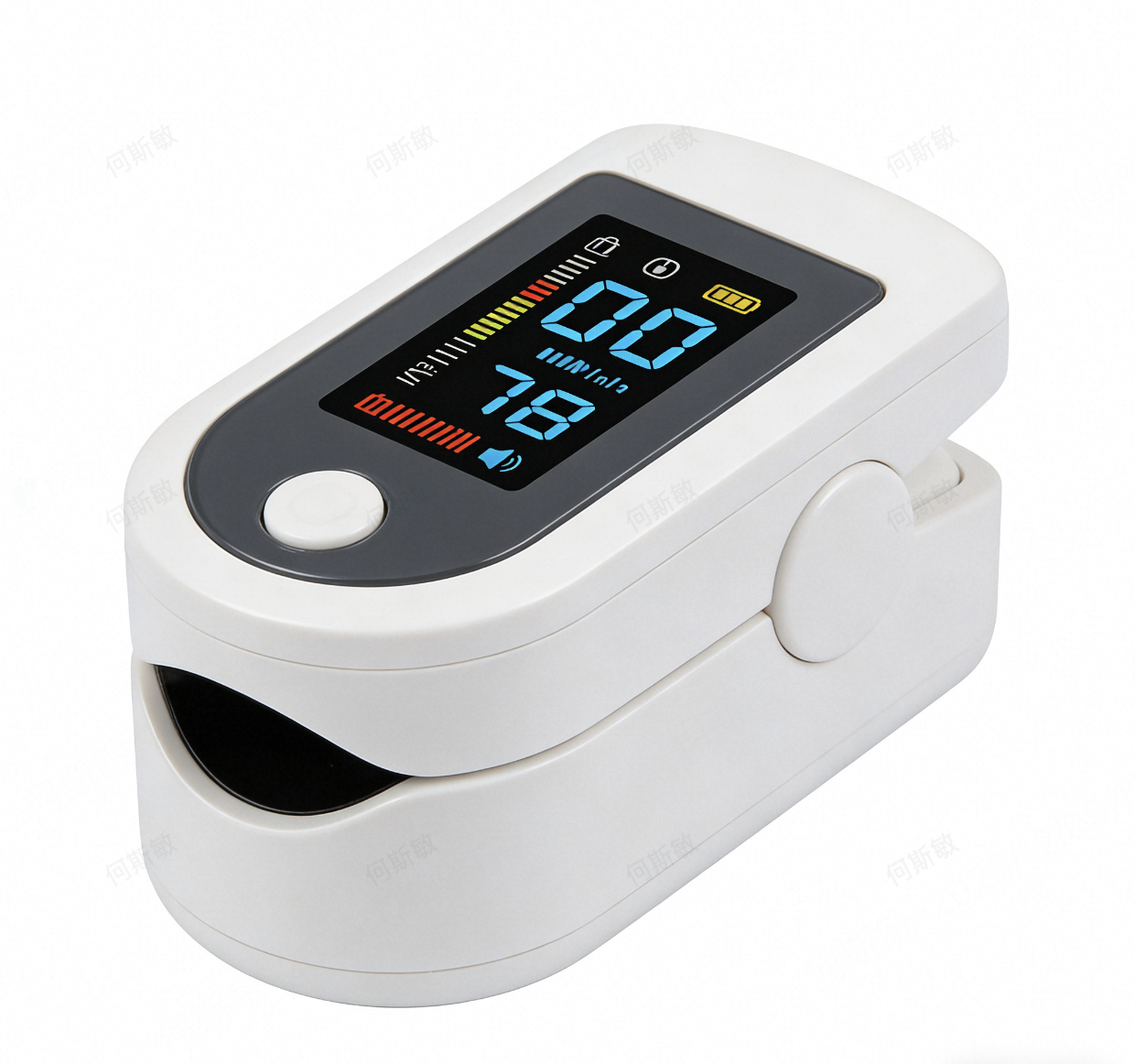
Author: Jian Wang (王健), RAC
Vice President, Quality & Regulatory Affairs at VistaMed Technologies
Jian masterfully navigates the complex landscape of international medical device regulations, having personally led VistaMed's successful efforts to secure FDA 510(k) Clearance and the CE Mark under the stringent EU MDR 2017/745.
For a Regulatory Affairs Manager, a finger pulse oximeter is not a simple commodity. It is a Class II medical device governed by a complex and, importantly, evolving set of standards. Recent draft guidance from the U.S. FDA regarding performance on diverse skin tones has made it clear: baseline compliance is no longer sufficient.
Your role is to look beyond a supplier’s existing certificates and assess their ability to meet the higher standards of tomorrow. This FAQ is designed to arm you with the specific, technical questions you should be asking.
"A manufacturer’s true quality culture isn't just reflected in their current certificates. It's revealed in how they anticipate and react to evolving standards. When the FDA raised the bar on oximeter testing for skin pigmentation, did the manufacturer see it as a burden or as a validation of the rigorous work they were already doing? Their answer to that question tells you everything you need to know about them as a long-term partner."
— Jian Wang (王健), RAC
When evaluating a finger pulse oximeter manufacturer, your due diligence should center on these three critical questions:
Here are the detailed answers you should expect from a high-quality manufacturing partner.
1. How do you demonstrate performance beyond a basic 510(k)?
An FDA 510(k) clearance letter confirms a device is "substantially equivalent" to a predicate. It is a prerequisite for market access, not a definitive statement of superior performance.
A more telling document is the Declaration of Conformity to ISO 80601-2-61. This is the specific international standard that defines the essential performance requirements for pulse oximeter equipment. In my experience, the first document I request after the 510(k) letter is this Declaration of Conformity. It tells me whether the manufacturer has validated the device's accuracy under challenging clinical conditions, such as patient motion and low perfusion—scenarios where less rigorously tested devices often fail. Our FPO-50, for example, is engineered and validated to this higher standard.
2. What is your strategy for the FDA's new focus on skin pigmentation accuracy?
This is no longer a hypothetical question. The FDA's January 2025 draft guidance signals a major shift, addressing concerns that some oximeters may be less accurate on patients with darker skin tones. The agency is now recommending more robust clinical studies that include a diverse range of subjects.
A manufacturer's readiness for such regulatory shifts is often predicted by their history of proactive evidence generation. A supplier should be able to articulate a clear plan for gathering this new data. Look for a history of commitment to clinical validation. For instance, while it was for a different diagnostic device, our collaboration with the Cardiovascular Research Institute at Stanford University to validate our SmartBP-Connect technology demonstrates a clear methodology for partnering with elite institutions to produce publishable, peer-reviewed data. This is the approach a forward-looking manufacturer takes to meet and exceed evolving standards.
3. How does your QMS ensure the safety of patient-contacting materials?
This question gets to the heart of biocompatibility. The plastic finger clip, any internal silicone padding, and even the paints and colorants used must be safe for prolonged skin contact. A manufacturer's ISO 13485 certified Quality Management System should govern this explicitly.
You should be able to ask for evidence that the patient-contacting materials have been tested according to the ISO 10993 standard for biocompatibility, specifically for endpoints like cytotoxicity and skin irritation. At VistaMed, this process is managed through our QMS (certified under BSI Certificate No. FS 738429), which mandates rigorous testing and documentation for every material in our supply chain. A supplier who cannot readily provide this information presents an unacceptable risk.
This level of detailed inquiry is no longer optional. It is a necessary part of modern regulatory due diligence. By asking these questions, you identify a true partner who can help protect your institution from regulatory risk, today and in the future.
About the Author
Jian Wang (王健), RAC serves as Vice President, Quality & Regulatory Affairs at VistaMed Technologies. As a certified Regulatory Affairs professional (RAC) with over 18 years of experience, he masterfully navigates the complex landscape of international medical device regulations. Jian has personally led the efforts for VistaMed to secure and maintain critical certifications, including FDA 510(k) Clearance, CE Mark under EU MDR 2017/745, and the ISO 13485:2016 quality management system certification (BSI Certificate No. FS 738429). This article draws from his extensive experience in auditing the technical files and quality systems of medical device manufacturers worldwide.
Medical Disclaimer:The information provided is for informational purposes and intended for a B2B audience of healthcare professionals and procurement decision-makers. It is not a substitute for professional medical or financial advice. TCO and ROI results may vary based on facility size, usage patterns, and local market conditions. All certifications and regulatory clearances referenced are accurate as of the date of publication. Please contact VistaMed Technologies for the most current documentation.

2026/02/25