 EN
EN
Unwavering Support for Healthcare Providers
2026/02/25
2026/02/05
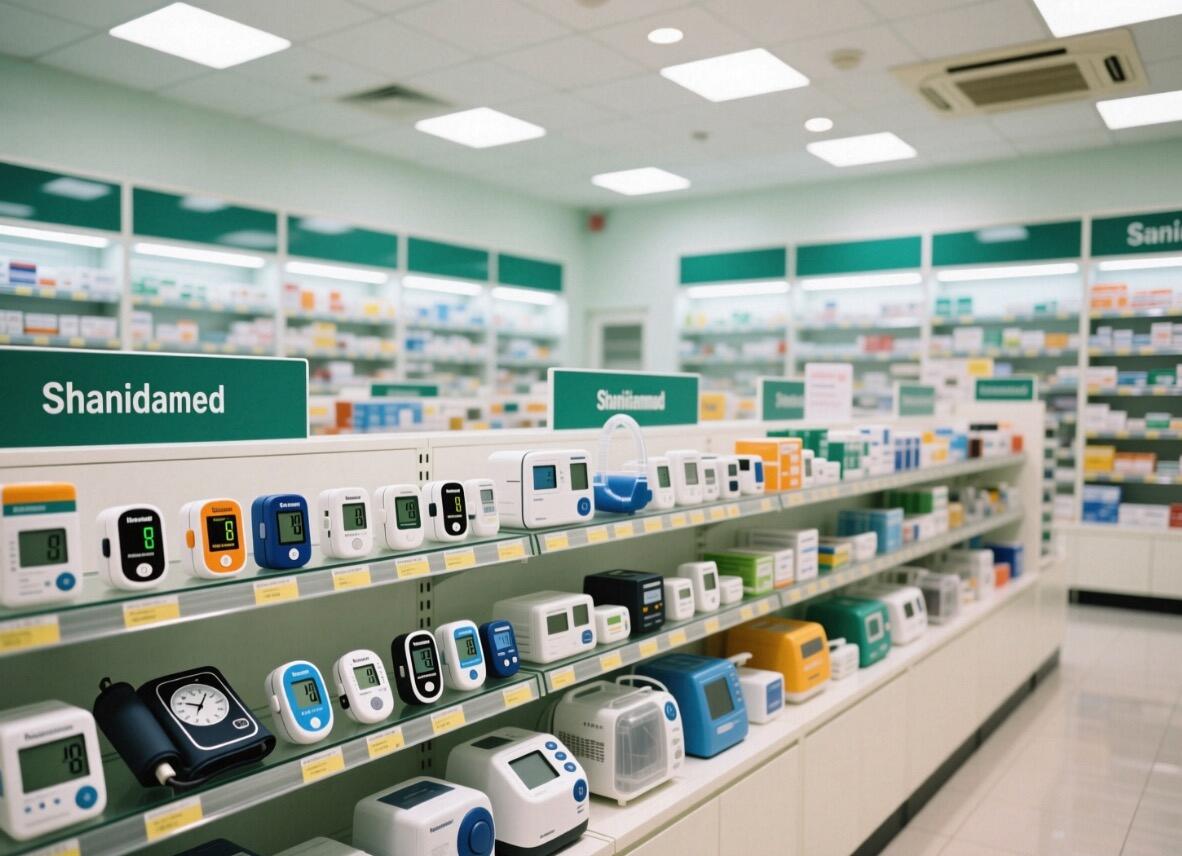
For a hospital procurement director, the question "how to use an ECG machine" extends far beyond a simple user guide. The real question is: "What is the institutional cost of a bad ECG, and how do we invest in technology to prevent it?" A poor-quality ECG tracing, marred by artifacts, is not a minor inconvenience; it is a significant drain on hospital resources and a risk to patient safety.
This technical deep dive explores the principles of quality ECG acquisition and the technology that helps institutions achieve it, providing a framework for a sound, ROI-based procurement strategy.
For decades, the operational cost of artifacts—the "noise" on an ECG trace caused by muscle tremors, electrical interference, or poor electrode contact—was accepted as a routine part of diagnostics . But the costs are substantial. Each unreadable ECG requires a repeat test, which means:
This lesson has driven the industry to focus not just on the diagnostic power of the ECG, but on the engineering that ensures a high-quality signal from the start.
A standard 12-lead ECG requires a precise and methodical approach to capture the heart's electrical activity from different angles . The process involves:
The complexity of this setup is a primary source of user error and workflow inefficiency, especially in fast-paced environments.
The design of the ECG machine itself has a massive impact on the TCO of the entire procedure. A modern, portable device can offer significant advantages over a traditional, bulky cart-based system.
|
Factor |
Traditional 12-Lead Challenge |
Modern Portable 6-Lead Advantage (e.g., VistaMed P08) |
|
Setup Time |
High: Requires extensive lead placement and management of a "tangled mess" of wires. |
Low: Fewer leads and a compact design allow for rapid deployment, especially in screening or emergency settings. |
|
Artifact Reduction |
High risk due to numerous lead connections and patient discomfort. |
Lower Risk: Simplified setup and improved filtering algorithms reduce sources of motion and electrical artifact. |
|
Workflow |
Manual: Requires printing, labeling, and often manual scanning into the EMR . |
Automated: Can transfer data directly to EMR, eliminating transcription errors and saving staff time. |
|
Use Case Flexibility |
Limited to rooms large enough for the cart. |
Can be used at the bedside, in triage, or for remote/home monitoring programs. |
The greatest ROI comes from shifting from isolated ECG procedures to an integrated, connected diagnostics ecosystem. This is where a manufacturer's forward-thinking approach to technology becomes a critical asset.
The value of connected diagnostics is profound. Just as our SmartBP-Connect with its EKG option was used in a remote patient monitoring trial with the Cardiovascular Research Institute at Stanford University, modern ECG systems can automate data transfer, reduce manual errors, and enable new models of care. This level of independent, peer-reviewed validation is a hallmark of a manufacturer you can trust to deliver on the promise of next-generation technology.
Q1: What is the clinical trade-off between a 12-lead and a 6-lead ECG?
A: A 12-lead ECG is the diagnostic gold standard, providing a comprehensive view required for complex diagnoses like identifying the specific location of a myocardial infarction. A 6-lead ECG, like our ECG-6Portable, is exceptionally powerful for rhythm analysis, making it ideal for rapid screening for arrhythmias like atrial fibrillation, post-operative monitoring, and remote patient management where speed and ease of use are critical.
Q2: How does a portable ECG system impact TCO beyond the device price?
A: The TCO savings are significant. They include reduced training time for staff, faster patient throughput due to quicker setup, fewer repeat tests due to a simpler and more reliable process, and elimination of paper and scanning costs through direct EMR integration.
Q3: What are the key data security considerations for a fleet of connected ECG devices?
A: Data security is paramount. A partner must offer an enterprise-grade, HIPAA-compliant solution. This includes end-to-end data encryption, secure cloud infrastructure, robust user authentication, and the ability to provide comprehensive security documentation for your IT department's review.
The institutional challenge of "how to use an ECG machine" is not about a single procedure, but about implementing a system that guarantees data quality, streamlines workflow, and delivers a low Total Cost of Ownership. It is about choosing a manufacturing partner whose engineering philosophy is centered on reducing errors and providing a clear return on investment. By focusing on the technology that prevents bad ECGs, you make a strategic investment in the financial and clinical health of your entire institution.
Disclaimer: The information provided is for informational purposes and intended for a B2B audience, including healthcare professionals and procurement managers. It is not a substitute for professional medical or financial advice. TCO and ROI results may vary based on institutional-specific factors and operational protocols.
About the Author: Dr. Evelyn Reed is the Head of Clinical Affairs at VistaMed Technologies. With over 15 years of experience in clinical research for cardiovascular devices, she specializes in the institutional challenges of deploying and managing chronic disease monitoring technologies at scale.

2026/02/25