 EN
EN
Unwavering Support for Healthcare Providers
2026/02/25
2026/02/09
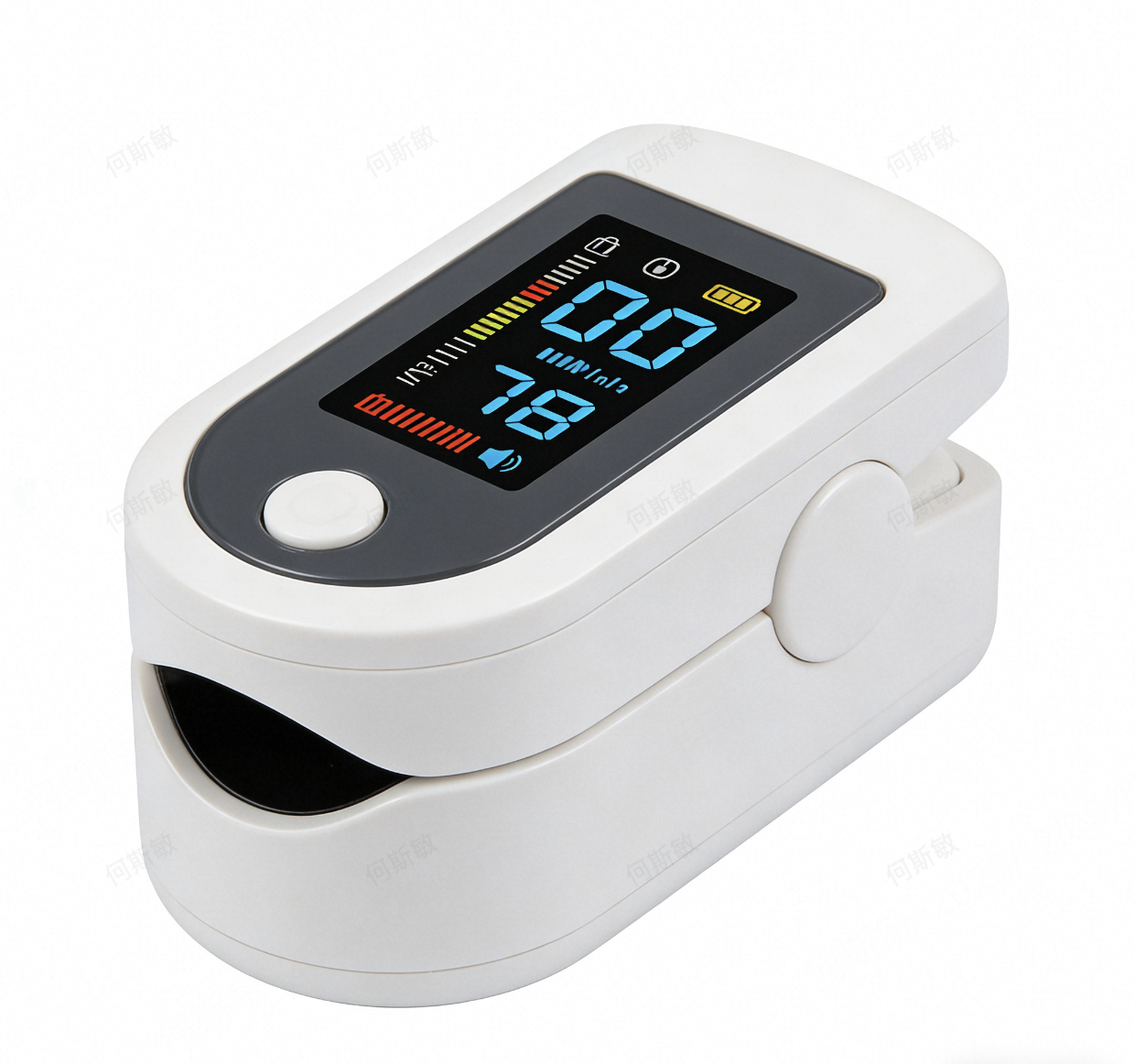
For a hospital procurement director, disposable monitoring electrodes are a classic high-volume, low-cost commodity—an easy line item for cost reduction. However, this perspective overlooks a critical reality: the quality of this seemingly simple component has a direct and significant impact on diagnostic accuracy, patient safety, and your institution's Total Cost of Ownership (TCO).
A "cheap" electrode is often the most expensive one you can buy. This technical deep dive explains the science, standards, and hidden costs that every healthcare leader should understand.
"An electrode is not just a sticker. It is a sophisticated electrochemical interface between human biology and electronic measurement. The materials science of the adhesive, the chemistry of the conductive gel, and the design of the connector all work in concert to capture a faint biological signal. A failure in any one of these areas doesn't just mean the electrode falls off; it means the diagnostic data can be compromised."
— Lead R&D Engineer, VistaMed Technologies
The Myth: All disposable electrodes that are FDA-cleared and stick to the skin are functionally the same, so the purchasing decision should be driven exclusively by the lowest unit price.
The Reality: This is a costly procurement trap. The "unit price" ignores the significant downstream costs generated by a low-quality electrode:
A high-performance electrode must excel in two distinct scientific domains:
The standards governing electrodes are becoming more stringent. A new global standard for ECG equipment, ISO/IEC 80601-2-86, is currently in development. A primary goal of this effort is to combine and harmonize a set of six existing standards, including AAMI EC12, which pertains specifically to disposable ECG electrodes .
This move toward a single, updated global standard means that procurement leaders should prioritize partnerships with device manufacturers who are not just compliant with today's standards, but are actively engaged with and engineering toward these higher future benchmarks.
Q1: How exactly does a low-quality electrode increase our hospital's TCO?
A: TCO increases in several ways: 1) The direct cost of repeat tests due to poor signal quality (staff time + a second set of electrodes). 2) The cost of troubleshooting "equipment problems" that are actually caused by the electrode. 3) The potential cost of treating adverse skin reactions. 4) The unquantifiable but significant clinical risk of a diagnostic error based on a poor-quality signal.
Q2: What is the difference between wet gel, solid gel, and cloth-backed electrodes?
A: Wet gel electrodes offer excellent conductivity but can "dry out" over time. Solid gel electrodes are easier to handle, require less cleanup, and are often better for long-term monitoring. The backing material (e.g., foam vs. cloth) affects the electrode's conformability to the skin and its breathability, which are important for patient comfort during extended wear.
Q3: How does a manufacturer's ISO 13485 certification relate to the quality of the electrodes on their devices?
A: An ISO 13485 certified Quality Management System (QMS), like the one VistaMed has maintained for over 16 years, ensures rigorous control over the entire supply chain. It means we have processes to vet our component suppliers, test incoming materials, and ensure full traceability. When you partner with an ISO 13485 certified manufacturer, you are assured that every component—down to the electrode—has met a high standard of quality.
The quality of a monitoring electrode is not a detail to be overlooked in the pursuit of a lower unit price. It is a critical component that directly impacts clinical outcomes, operational efficiency, and patient safety. The most strategic and financially sound decision is to partner with a medical device manufacturer who demonstrates a deep understanding of component-level quality and a commitment to meeting the highest international standards.
Disclaimer: The information provided is for informational purposes and intended for a B2B audience, including healthcare professionals and procurement managers. It is not a substitute for professional medical or financial advice. TCO and ROI results may vary based on institutional-specific factors and operational protocols.

2026/02/25