 EN
EN
Unwavering Support for Healthcare Providers
2026/02/25
2026/03/03
Author: Dr. Wei Li (李伟), PhD
Chief Technology Officer & Head of R&D at VistaMed Technologies
Dr. Wei Li is the driving force behind VistaMed's technological innovation, leading the engineering teams that build not only our high-precision hardware but also the software that connects it to the wider healthcare ecosystem.
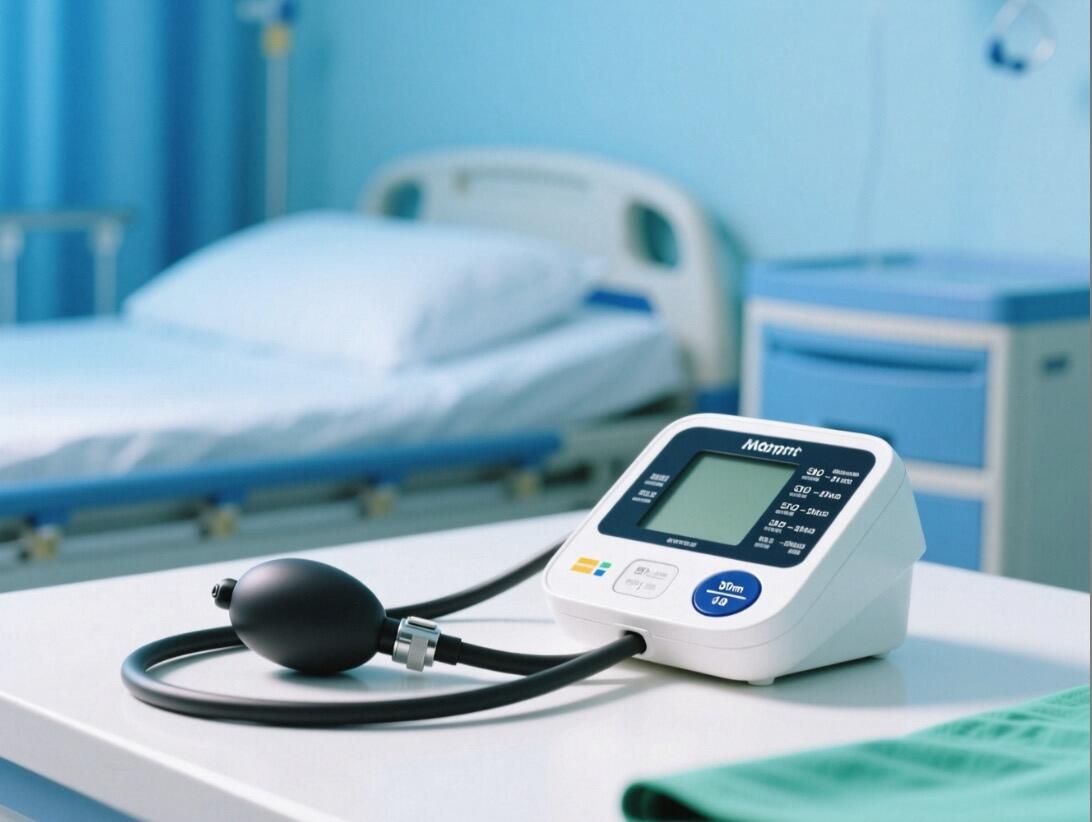
One of our largest distribution partners in Europe recently secured a major government tender for a national remote patient monitoring (RPM) program. It was a highly competitive bid. They told me afterwards that the decisive factor wasn't our price, or even our device's accuracy. They won because, when the government's IT team asked, "Can you provide a well-documented SDK so our platform can pull data directly from your blood pressure monitors?"—we were the only manufacturer who could say "Yes" and provide the documentation that same day.
Their competitors offered closed systems. They sold a device and an app, and that was it. We provided a key.
For a modern medical device distributor, this is a critical lesson. The value of a "smart" device is no longer just in the device itself. It is in its ability to connect. Your customers—hospitals, large clinic groups, and telehealth platforms—are no longer buying isolated gadgets. They are investing in data ecosystems. If your products can't integrate, you will be locked out of the most valuable contracts.
This is a shift in thinking. For years, distributors focused on hardware specs: accuracy, battery life, durability. Those are still vital. But the new gatekeeper to large-scale deals is software integration.
A manufacturer who offers a robust, well-documented SDK/API is signaling that they are a true technology partner, not just a hardware factory. They are giving your customers the freedom to build, innovate, and integrate.
As an engineer who has overseen the development of our own SDKs, I can tell you that not all are created equal. I've seen competitors offer little more than a poorly translated text file and a shrug. That is not a toolkit; it's an obstacle.
A true enterprise-grade integration package, which is what you must demand from your manufacturer, includes several key components.
1. Comprehensive Documentation: This is the instruction manual. It must be written in clear, precise English by professional technical writers. It should include step-by-step guides, code snippets for common languages (like Java for Android, Swift for iOS), and a clear explanation of every function. It should not look like an engineer's private notes.
2. A "Sandbox" Environment: This is a private playground for developers. A sandbox is a separate, isolated server environment where your customer's developers can test their integration code without touching live patient data. It is an absolute must-have for professional software development and a core part of our offering.
3. Version Control and Deprecation Schedules: Software changes. A professional SDK will have clear versioning (e.g., v1.0, v2.0) and a published policy for how long older versions will be supported. This gives your customers the stability and predictability they need to manage their own development cycles.
4. Dedicated Developer Support: What happens when your customer's engineer has a question? A manufacturer committed to integration will provide a dedicated channel for developer support, staffed by engineers who can speak the same language. This is a world away from a generic customer service hotline.
The battle for major contracts is increasingly fought on the field of data integration. The largest and most sophisticated customers are building their own platforms, and they need devices that are "open," not "closed."
|
Feature |
The "Closed System" Competitor |
VistaMed's Open Integration Platform |
The Distributor's Winning Argument |
|
Data Access |
Data is trapped in the manufacturer's proprietary app and cloud. |
Secure, direct data access via a robust SDK/API. |
"You own and control your patient data. We just provide the tools to collect it accurately." |
|
Customization |
The customer is forced to use the manufacturer's user interface. |
Telehealth platforms can build a seamless, fully-branded user experience. |
"Integrate our best-in-class hardware directly into your world-class software platform." |
|
Future-Proofing |
If the manufacturer's app becomes obsolete, the device is useless. |
The device's value is independent of any single app; it can connect to any platform. |
"Your investment is protected. Our devices will grow with your platform, not hold it back." |
|
IT/Security Review |
A "black box" that IT departments distrust. |
A transparent, documented system that security teams can audit and approve. |
"We provide the documentation your CISO needs to sign off with confidence." |
This commitment to open architecture is not just a trend; it's the future. This is why we were recognized with the MedTech Breakthrough Award for our IntelliScan AI Diagnostic System in 2024 and the Red Dot Design Award in 2023—both of which praised the seamless integration of our hardware and software. These are not just logos for a brochure; they are third-party validation of a superior engineering philosophy that you can take to your customers.
Does your SDK support both native mobile development (iOS/Android) and web applications?
A comprehensive offering should. Your customers will have diverse needs, and a good partner will provide tools for all major platforms. Our SDKs include libraries for native mobile apps as well as REST APIs for web-based platform integration.
What is the business model for your SDK/API access?
Be wary of complex, per-call pricing models. For our strategic distribution partners and their key accounts, access to our SDKs and APIs is a core part of the partnership, not a profit center. We believe in enabling your success.
How does your SDK handle Bluetooth pairing and data transmission securely?
As the person who leads the teams that build this, I can tell you the process must be robust. Our SDK manages the entire Bluetooth Low Energy (BLE) connection lifecycle, using encrypted communication channels and secure pairing protocols to ensure data integrity from the moment it leaves the device's sensor. We handle the complexity so your customer's developers don't have to.
About the Author
Dr. Wei Li (李伟), PhD serves as Chief Technology Officer & Head of R&D at VistaMed Technologies. With over 20 years of experience in biomedical engineering, he is the driving force behind VistaMed's technological innovation and the lead inventor on a significant portion of the company's 87 granted patents. His articles provide an inside look at the cutting-edge technology, sensor accuracy, and algorithmic precision that define VistaMed products. This article draws from his direct experience designing the hardware, firmware, and software SDKs that enable seamless telemedicine platform integration.
Clinically & Regulatory Reviewed By: Dr. Evelyn Reed, MD, Lead Medical Content Reviewer & Clinical Advisor
The information provided is for informational purposes and intended for a B2B audience of healthcare professionals and procurement decision-makers. It is not a substitute for professional medical or financial advice. TCO and ROI results may vary based on facility size, usage patterns, and local market conditions. All certifications and regulatory clearances referenced are accurate as of the date of publication. Please contact VistaMed Technologies for the most current documentation.

2026/02/25