 EN
EN
Unwavering Support for Healthcare Providers
2026/02/25
2026/03/12
Author: Dr. Evelyn Reed, MD
Lead Medical Content Reviewer & Clinical Advisor at VistaMed Technologies
As a licensed physician who reviews clinical evidence for medical devices, Dr. Reed specializes in evaluating the real-world performance of connected health technologies and their impact on clinical workflow.
Last year, I spoke with a distributor who had just won a large contract with a cardiology group. He wasn't the cheapest. He won because he was the only one who didn't try to sell them a box of "telemedicine-ready" devices.
Instead, he sold them a single, unified ecosystem.
My position is simple: the term "telemedicine-integrated" is a dangerously vague marketing phrase. For a distributor, the difference between selling a device that can be used for telemedicine and selling a device that is part of a true, functioning system is the difference between a one-time, low-margin sale and a long-term, high-margin partnership. This guide will show you how to compare the options from the perspective of a clinician who actually has to use them.
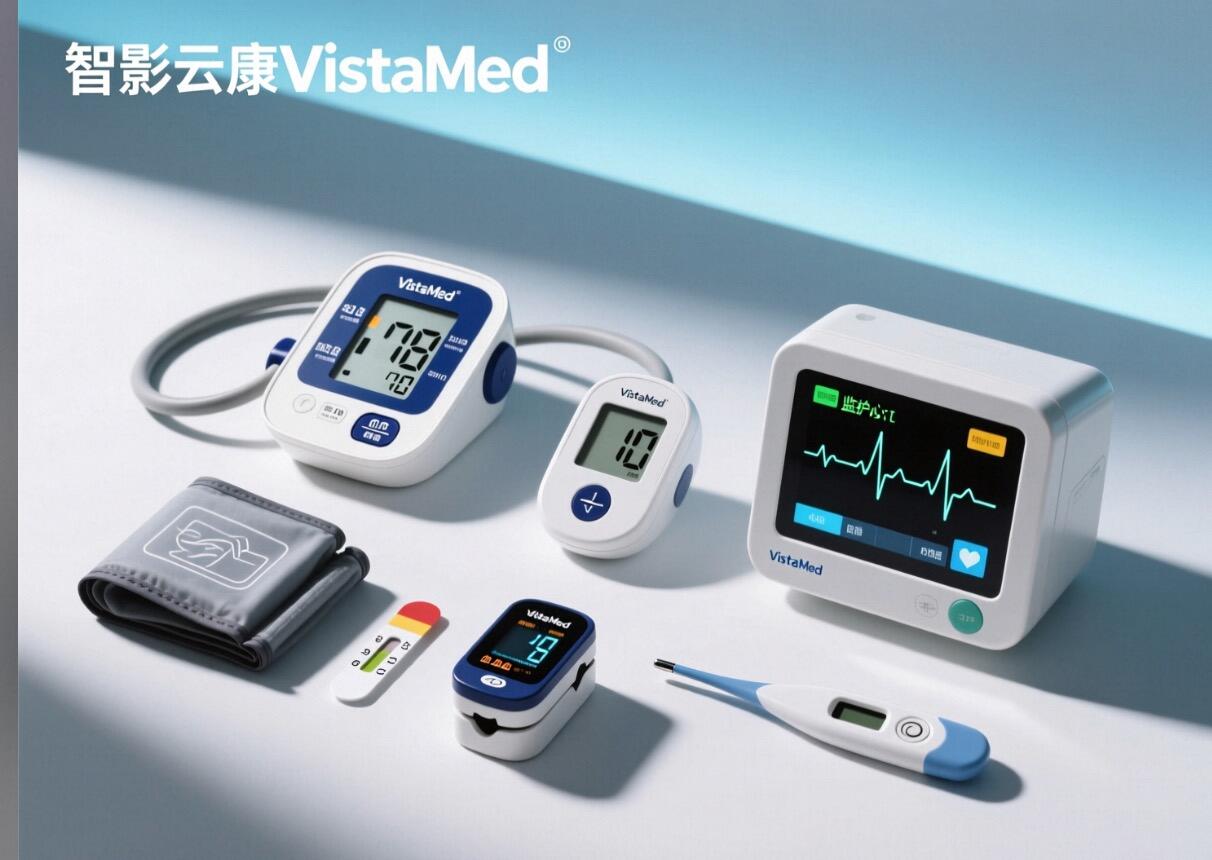
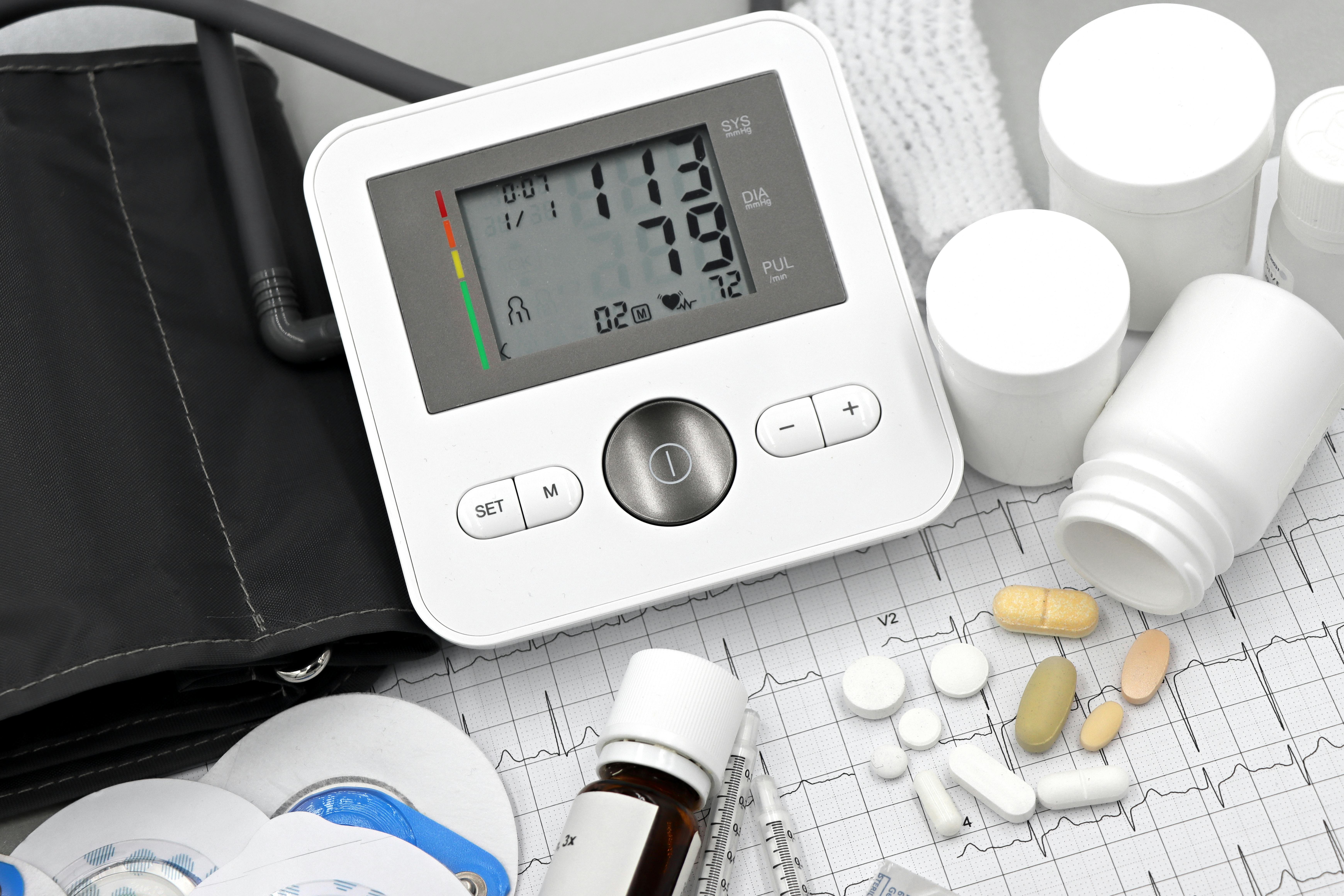
The most expensive myth in this market is that any device with a Bluetooth chip is a "telemedicine device." The reality is that a Bluetooth-enabled blood pressure cuff is just a blood pressure cuff with a battery drain problem until it is part of a complete, secure, and reliable ecosystem.
A distributor who sells a clinic a collection of disparate Bluetooth devices from different manufacturers—a Microlife BP cuff, a Beurer thermometer, an Accu-Chek glucose meter—hasn't sold a solution. They've sold an IT nightmare. You are asking a busy nurse and an 80-year-old patient to juggle three different apps, three different logins, and three different Bluetooth pairing processes. It will fail. And when it fails, the clinic will not blame Microlife or Beurer. They will blame you.
How do I prove that a unified ecosystem is better?
You use real-world data and analogies. While this data comes from a hardware-only project, the principle of standardization is identical. In a project with Unity Health System, we found that standardizing on a single, intuitive device platform led to a 47% reduction in nurse training time and a 41% decrease in maintenance-related downtime. A unified software ecosystem provides the exact same benefits. You are selling a reduction in chaos.
What is "Software as a Medical Device" (SaMD) and why does it matter here?
This is a critical concept that establishes your expertise. The app and the provider dashboard are not just software; they are regulated as a "Software as a Medical Device." This means they are subject to the same level of scrutiny from the FDA as the hardware. A manufacturer who can't speak to their SaMD validation process or their plan for managing cybersecurity—a major focus for the US FDA—is not a serious player. You should ask for their SaMD documentation. A blank stare is a red flag. A quality partner like VistaMed, which has secured a CE Mark for its software under the stringent new EU MDR, has already made the multi-million dollar investment in proving their software is safe and effective.
About the Author
Dr. Evelyn Reed, MD, serves as Lead Medical Content Reviewer & Clinical Advisor at VistaMed Technologies. As a licensed physician who reviews clinical evidence for medical devices, she specializes in evaluating the real-world performance of connected health technologies and their impact on clinical workflow. This article is informed by her direct analysis of failed telemedicine pilots and the critical importance of a unified device ecosystem.
Clinically & Regulatory Reviewed By: Fang Chen (陈芳), Director of Global Product Strategy & Customer Insights
The information provided is for informational purposes and intended for a B2B audience of healthcare professionals and procurement decision-makers. It is not a substitute for professional medical or financial advice. TCO and ROI results may vary based on facility size, usage patterns, and local market conditions. All certifications and regulatory clearances referenced are accurate as of the date of publication. Please contact VistaMed Technologies for the most current documentation.

2026/02/25