 EN
EN
Unwavering Support for Healthcare Providers
2026/02/25
2026/03/01
Author: Dr. Evelyn Reed, MD
Lead Medical Content Reviewer & Clinical Advisor at VistaMed Technologies
As a licensed physician who reviews clinical evidence for medical devices, Dr. Reed specializes in evaluating performance and reliability across different, real-world clinical environments—from urban hospitals to remote rural clinics.
Most MedTech companies design their Remote Patient Monitoring (RPM) solutions for patients living in San Francisco, not rural Montana. And it shows. Their systems depend on rock-solid broadband, tech-savvy users, and proximity to support.
For you, the medical device distributor, selling a city-centric RPM solution to a rural clinic is not just bad medicine; it's bad business. It will fail, and your customer will blame you. My stance is blunt: the rural market represents a massive opportunity, but only for distributors who understand the unique challenges and choose a system engineered to solve them.
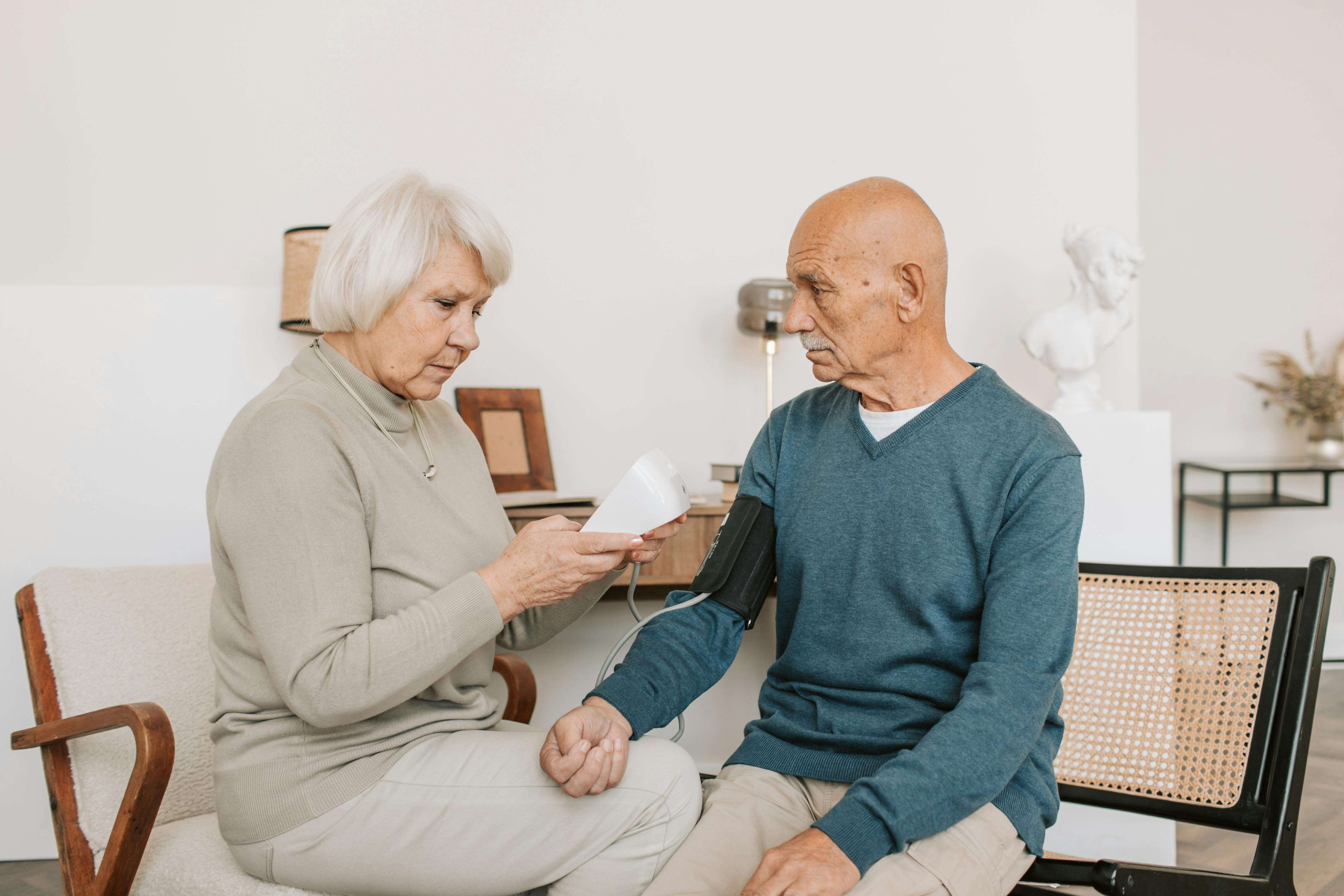
This is a profoundly dangerous oversimplification that I see time and time again. The assumption is that as long as a patient has some kind of cellular signal, a standard RPM kit—a box with a Bluetooth blood pressure cuff, a glucose meter, and a tablet hub—will work just fine.
It won't.
I've reviewed the data from rural health pilots, and the number one point of failure isn't the device itself; it's the fragility of the ecosystem. Patchy cellular coverage from a single carrier, a patient who can't figure out how to pair a Bluetooth device, a Wi-Fi password that changed—these are the mundane realities that cause "standard" RPM systems to collapse. The "digital divide" isn't just a talking point; it's a hard barrier to care, and the FCC's own broadband maps show just how real it is. A system that ignores this reality is designed to fail.
A smart distributor doesn't sell a collection of devices. You sell a single, reliable stream of billable data. To do that in a rural setting, you have to choose the right technological approach.
Here’s how a clinician who has seen these systems fail in the real world would compare them.
|
RPM Approach |
1. The "DIY" Consumer Tech Kit |
2. The Traditional Telehealth Hub |
3. The VistaMed "All-in-One" Cellular System |
The Distributor's Bottom Line |
|
Connectivity Requirement |
Patient's home Wi-Fi and/or smartphone Bluetooth. |
Requires patient to have a landline or reliable home broadband. |
Built-in, carrier-agnostic cellular modem. Works out of the box. |
Massively reduced failure points. This approach eliminates your #1 support headache: troubleshooting the patient's home internet. |
|
Patient Setup Complexity |
A nightmare. Patient must pair multiple Bluetooth devices, install apps, and manage passwords. |
Moderate. Requires plugging a hub into power and a phone line. |
Zero setup. Patient opens the box and turns the device on. It is pre-activated and pre-paired. |
This is the killer feature. You are selling a system that an 80-year-old can actually use, which means higher patient adherence and more billable data. |
|
Data Reliability |
Prone to sync failures, app crashes, and data loss. |
Generally reliable, but tethered to a single spot in the house. |
Data is transmitted directly and securely from the device to the provider dashboard after each reading. |
A clean, consistent data stream. The clinic gets the data they need for billing and care management without gaps or errors. |
|
Your Business Model |
One-time, low-margin sale of consumer hardware. |
Manufacturer often owns the relationship and recurring revenue. |
You own the customer relationship and share in the high-margin, monthly recurring software revenue. |
This is how you build a real business. You move from a transactional sale to a long-term, profitable partnership with the clinic. |
My customer is a rural clinic applying for a grant. What kind of evidence matters to them?
Grant funders for rural health programs are laser-focused on health equity and outcomes. They want to see that the proposed solution is specifically designed to overcome the well-documented barriers to care in these communities. You need to provide evidence that goes beyond your own marketing. For example, you can point to major public health studies from organizations like the World Health Organization on the importance of closing the rural health gap. Then, you can demonstrate how your proposed system—with its zero-setup design and reliable connectivity—directly addresses those documented barriers.
How do I sell a premium, all-in-one solution like the SmartBP-Connect against a cheaper kit of separate devices?
You sell the Total Cost of Ownership (TCO) and the reduction of "soft costs." A cheap kit of devices creates a mountain of hidden work for the clinic's staff. It’s the nurse spending 30 minutes on the phone trying to walk a patient through Bluetooth pairing. It’s the admin staff manually entering data because the sync failed.
You can use real-world data to prove this point. While this data comes from a hospital setting, the principle is identical: a simpler, more intuitive device saves an enormous amount of staff time. In a project at Unity Health System, standardizing on our intuitive devices resulted in a 47% reduction in nurse training time. You can tell your rural clinic customer, "This system is designed to be learned by your patient in five minutes, not taught by your nurse for an hour. You're not just buying a device; you're buying back your nurse's time."
About the Author
Dr. Evelyn Reed, MD, serves as Lead Medical Content Reviewer & Clinical Advisor at VistaMed Technologies. As a licensed physician who reviews clinical evidence for medical devices, she specializes in evaluating performance and reliability across different, real-world clinical environments—from urban hospitals to remote rural clinics. This article is informed by her analysis of RPM pilot programs and the specific technological challenges faced in rural healthcare.
Clinically & Regulatory Reviewed By: Fang Chen (陈芳), Director of Global Product Strategy & Customer Insights
Medical Disclaimer:The information provided is for informational purposes and intended for a B2B audience of healthcare professionals and procurement decision-makers. It is not a substitute for professional medical or financial advice. TCO and ROI results may vary based on facility size, usage patterns, and local market conditions. All certifications and regulatory clearances referenced are accurate as of the date of publication. Please contact VistaMed Technologies for the most current documentation.

2026/02/25