 EN
EN
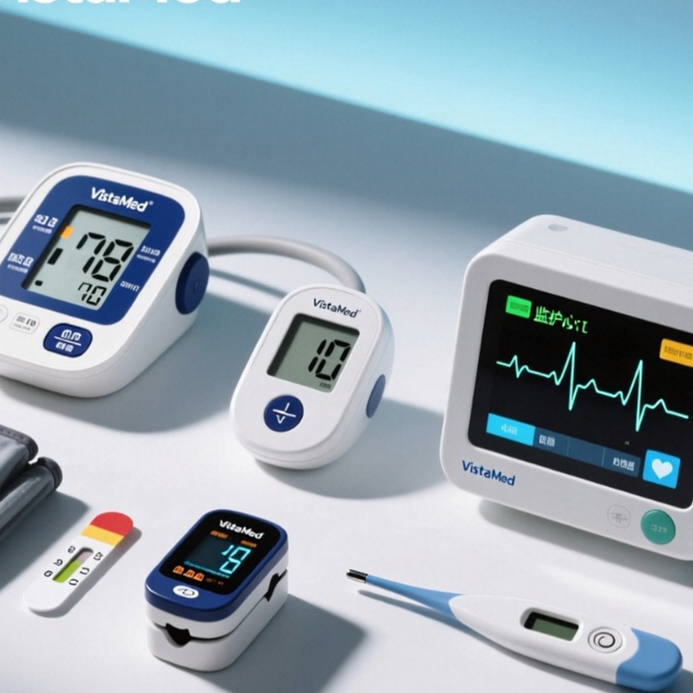
Unwavering Support for Healthcare Providers
2026/02/25
2026/03/08

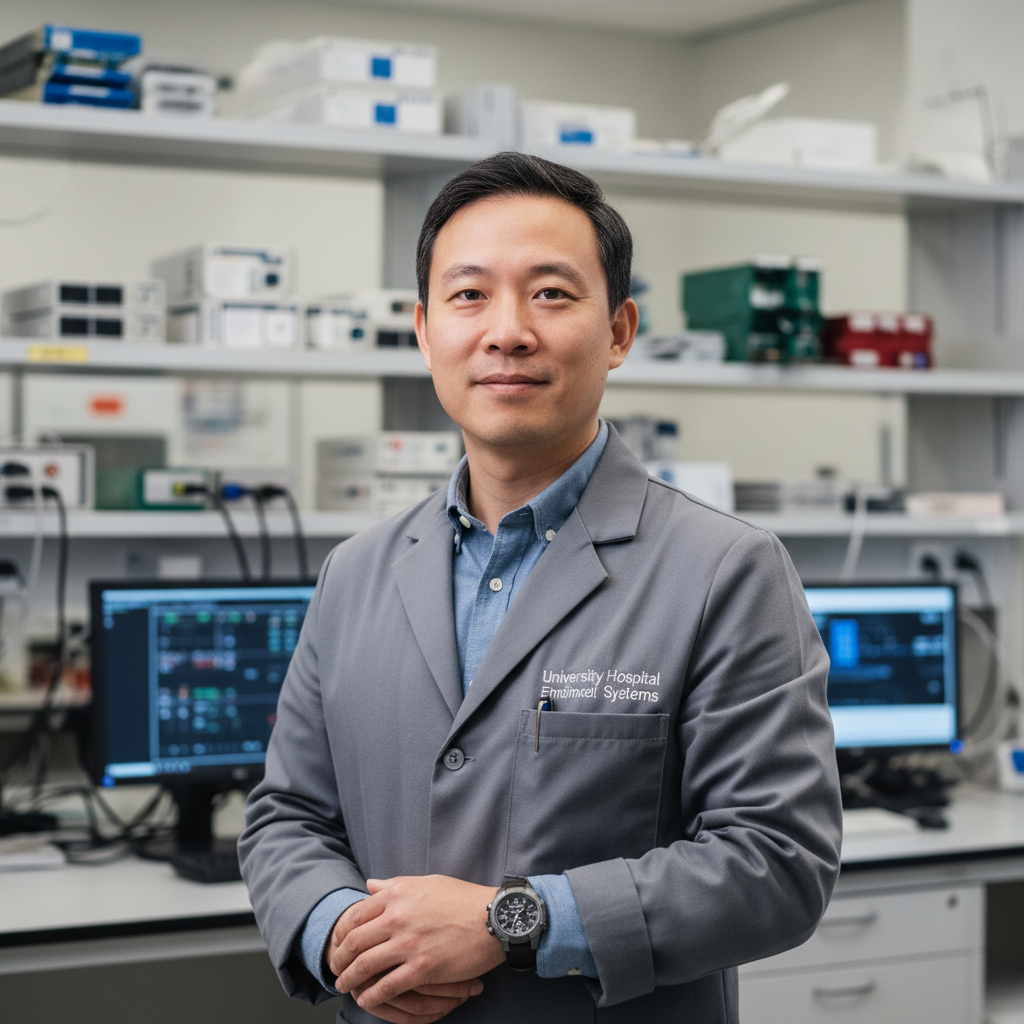
Author: Fang Chen (陈芳)
Director of Global Product Strategy & Customer Insights at VistaMed Technologies
Fang Chen serves as the vital link between VistaMed's R&D teams and frontline healthcare professionals, drawing on 15 years of experience in MedTech product management to solve real-world clinical workflow challenges.
The first lesson I learned in product management is that the most expensive device a clinic can own is the one that sits unused in a drawer. I learned the second lesson from a deeply frustrated clinic manager in rural Ohio: the second most expensive device is the one that creates more work than it saves.
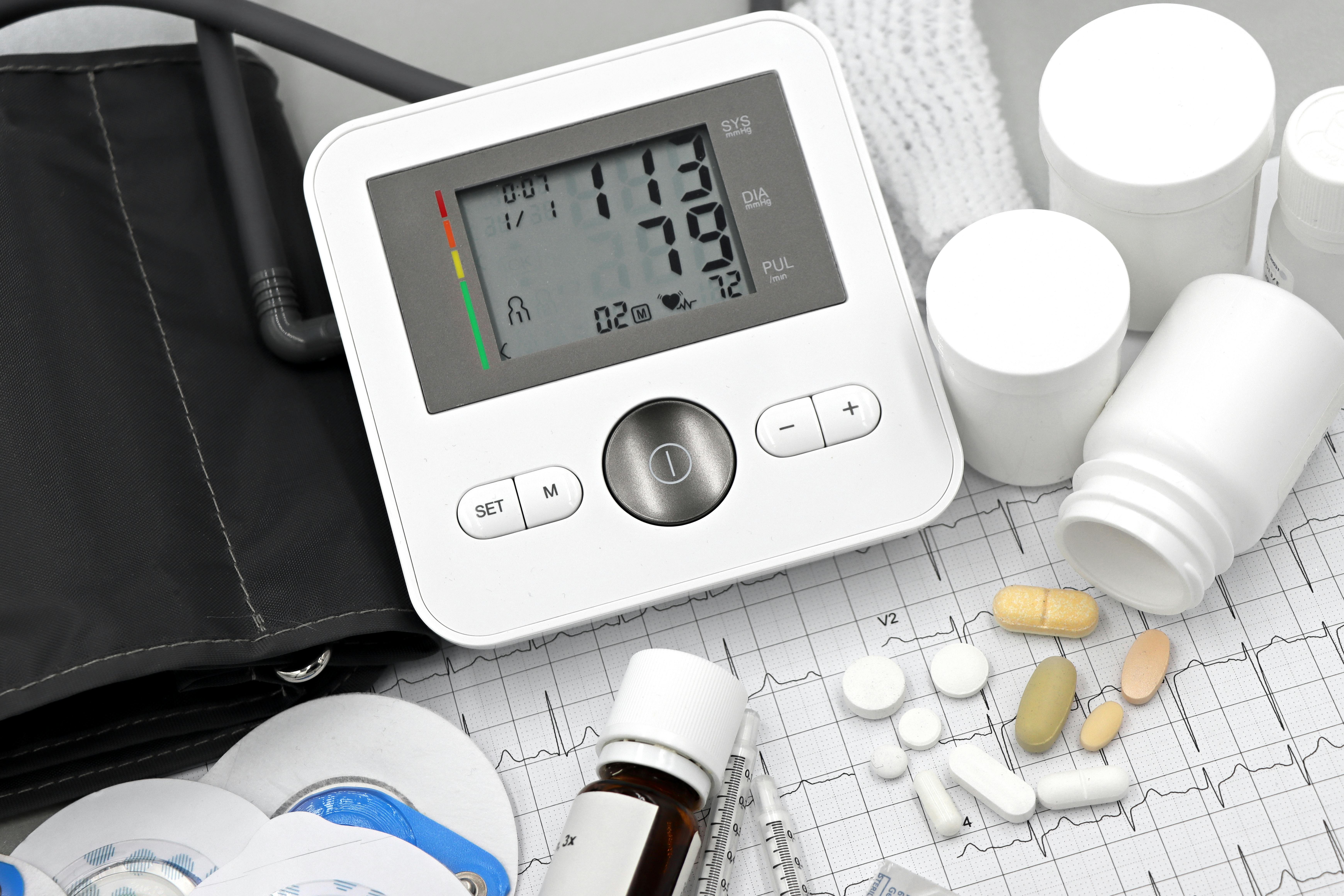
Her clinic had tried to build a remote patient monitoring (RPM) program. They bought affordable, Bluetooth-enabled blood pressure cuffs. On paper, it was a futuristic vision. In reality, it was a nightmare. The program depended entirely on patients having a reliable home Wi-Fi network and a modern smartphone, and being tech-savvy enough to keep the two connected. In her community, that was a fantasy.
Nurses were spending hours each week acting as IT support, trying to troubleshoot five different smartphone models over the phone. They were manually transcribing readings that patients called in. The RPM program, which was meant to save clinical time and improve care, was actively doing the opposite. Her nurses were burning out, and her futuristic vision was on the brink of collapse.
The challenge faced by the Northwood Primary Care clinic is one I see all over the world. It’s the "last-mile" data problem. A device manufacturer can create a perfect, clinically accurate monitor, but if the data can't get from the patient's home to the clinic's EMR reliably and automatically, the entire system fails.
Relying on a patient's home technology—their Wi-Fi, their phone, their level of technical skill—introduces a dozen points of failure into the system. For a busy clinic manager, this translates into concrete, daily pain:
The dream of using 5G, AI, and predictive analytics seems like a distant sci-fi fantasy when you can't even get a simple blood pressure reading from a patient five miles down the road.
"I always tell my engineering team: the most powerful AI in the world is useless if the data never arrives. Before we can talk about 5G, we have to solve the 'Does it just work?' problem. Reliability is the foundation of everything."
– Fang Chen (陈芳)
The leadership at Northwood made a brave decision. They paused their failing program and agreed to pilot a different approach with us. The strategy was simple: remove the patient's home technology from the equation entirely.
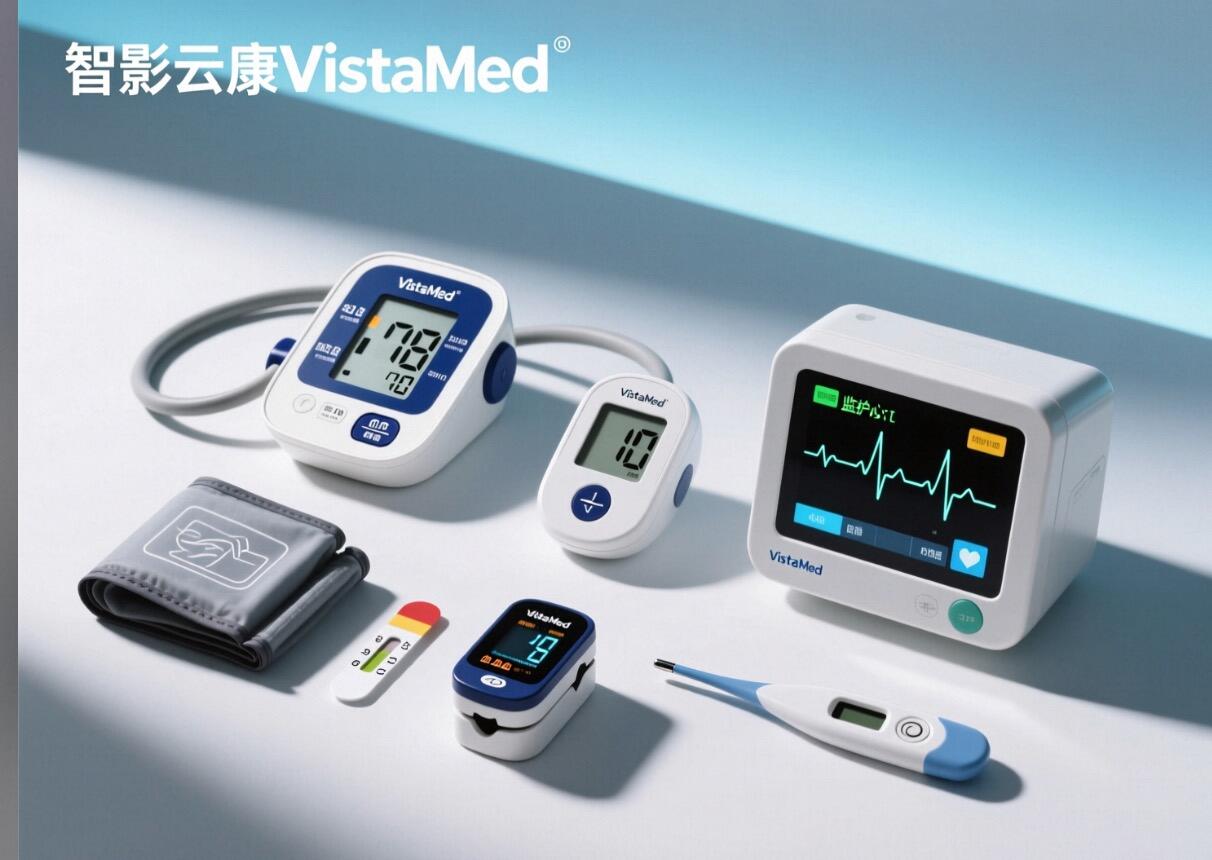
We replaced their collection of Bluetooth-only devices with a single, standardized platform: the VistaMed SmartBP-Connect, equipped with a direct cellular data module.
This changed everything. The new device was radically simple for the patient. It arrived in a box, they plugged it in, and it just worked. There was no app to install, no Wi-Fi password to enter, no Bluetooth to pair. After taking a reading, the device automatically transmitted the secure, encrypted data directly to the clinic's dashboard over the cellular network, just like a cell phone sending a text message.
The deployment solved Northwood's immediate, agonizing problems:
The results of the pilot were about more than just a new gadget. They were about a transformed workflow.
Within the first month, Northwood's RPM data completeness—the percentage of expected readings that were successfully transmitted—jumped from a spotty 65% to a reliable 98%. The clinic's lead nurse estimated they were saving over 60 minutes of nursing time per day that had previously been lost to phone calls and manual data entry.
But here is the most important part of the story. By solving their simple 4G-era data transmission problem, Northwood had inadvertently built a "5G-ready" telemedicine platform. When the local cellular network eventually upgrades to 5G, their devices will automatically leverage its capabilities—higher speed, lower latency, greater capacity—without any action or investment required from the clinic.
They are now perfectly positioned to adopt more advanced technologies, like streaming real-time ECG data or using AI-powered diagnostic tools. This move toward more complex Software as a Medical Device (SaMD) is a global trend, as highlighted by the harmonization efforts of the International Medical Device Regulators Forum (IMDRF). The kind of high-integrity, real-time data stream required for these future applications is precisely what Northwood can now support.
Their choice of reliable hardware also gave them a foundation of clinical trust. This commitment to data quality is why world-class institutions use our technology for their own research. A prime example is a remote monitoring trial conducted by the Cardiovascular Research Institute at Stanford University, where they chose our connected device platform to ensure they had a research-grade data stream for their work, with findings later published in the Journal of Telemedicine and Telecare.
"5G sounds expensive and complicated. Do I need to be an IT expert to manage this?"
Absolutely not. The beauty of a direct-to-cellular device is its radical simplicity. All the complexity of network management, security, and data routing is handled by the device and its platform, not by you or your patient. You don't manage the technology; you just use the data it provides.
"My clinic is in a rural area. What if we don't get true 5G for years?"
That's the point of this strategy. This solution works perfectly on today's existing 4G/LTE networks. It solves your most urgent data collection problems now. It makes your current RPM program viable and profitable today. The fact that it will automatically and seamlessly leverage 5G networks as they become available is a future-proof bonus, not a requirement for its current success.
"How does this affect my budget? Are there hidden data plan costs I need to worry about?"
A true technology partner eliminates that uncertainty. The data service should be bundled into a simple, predictable per-patient, per-month fee. This transforms an unpredictable technical cost into a fixed operational expense that you can easily build into your RPM billing and revenue model. There should be no surprise data bills, ever.
About the Author
Fang Chen (陈芳) serves as Director of Global Product Strategy & Customer Insights at VistaMed Technologies. With 15 years of experience in MedTech product management, she has gathered deep, first-hand insights from our 500+ client healthcare facilities across Asia, Europe, and the Middle East. She is an expert on the practical challenges and workflow requirements of diverse clinical settings, from high-volume community health centers to specialized hospital departments. This case study is based on her direct experience working with clinical partners to solve real-world patient monitoring challenges.
Clinically & Regulatory Reviewed By: Dr. Wei Li (李伟), PhD, Chief Technology Officer & Head of R&D
The information provided is for informational purposes and intended for a B2B audience of healthcare professionals and procurement decision-makers. It is not a substitute for professional medical or financial advice. TCO and ROI results may vary based on facility size, usage patterns, and local market conditions. All certifications and regulatory clearances referenced are accurate as of the date of publication. Please contact VistaMed Technologies for the most current documentation.
2026/02/25