When considering a national health initiative, government officials often begin by asking about the "price of an ECG device." This question, while practical, misses the larger, more critical economic reality. The truly important question is: What is the price of inaction?A single ischemic stroke, an event frequently caused by the silent, undiagnosed arrhythmia known as Atrial Fibrillation (AFib), can cost a national health system over $100,000 in lifetime care, rehabilitation, and lost economic productivity [citation: 1]. For a nation of millions, this represents a multi-billion dollar annual burden of almost entirely preventable costs.This economic analysis will demonstrate, through a detailed cost-benefit model, how a strategic investment in a national ECG screening program is not an expense, but one of the highest-return public health investments a government can make.A Common Misconception: Lowest Device Price Means Best Value for Public FundsIn public health procurement, a "lowest-bidder" strategy for medical technology is often a recipe for programmatic and economic failure. An unreliable device with a high defect rate and poor usability does not save public funds; it merely shifts costs downstream. It creates a massive administrative burden for replacements, erodes the trust of clinicians and citizens, and ultimately fails to deliver the desired health outcome. The "best value" is not the cheapest device, but the most reliable and cost-effective system that successfully reduces the long-term, high-cost burden of chronic disease.The Economic Burden of Inaction: Modeling the Cost of Untreated Atrial FibrillationTo quantify the cost of inaction, let us consider a model nation, the "Republic of Eldoria," with a population of 20 million.Approximately 15% of the population (3 million people) is over the age of 65.Based on established epidemiological data, the prevalence of AFib in this age group is about 4%, meaning an estimated 120,000 citizens have AFib, many of whom are undiagnosed [citation: 2].If just 30% of strokes are attributable to AFib, and the nation's total annual cost of stroke is
5billion,thenthedirect,preventableeconomicburdenofundiagnosedAFibis∗∗
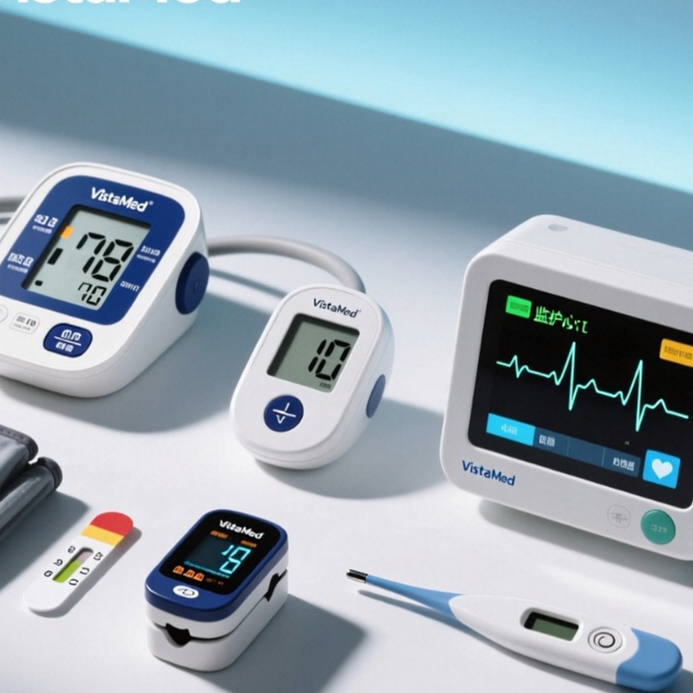
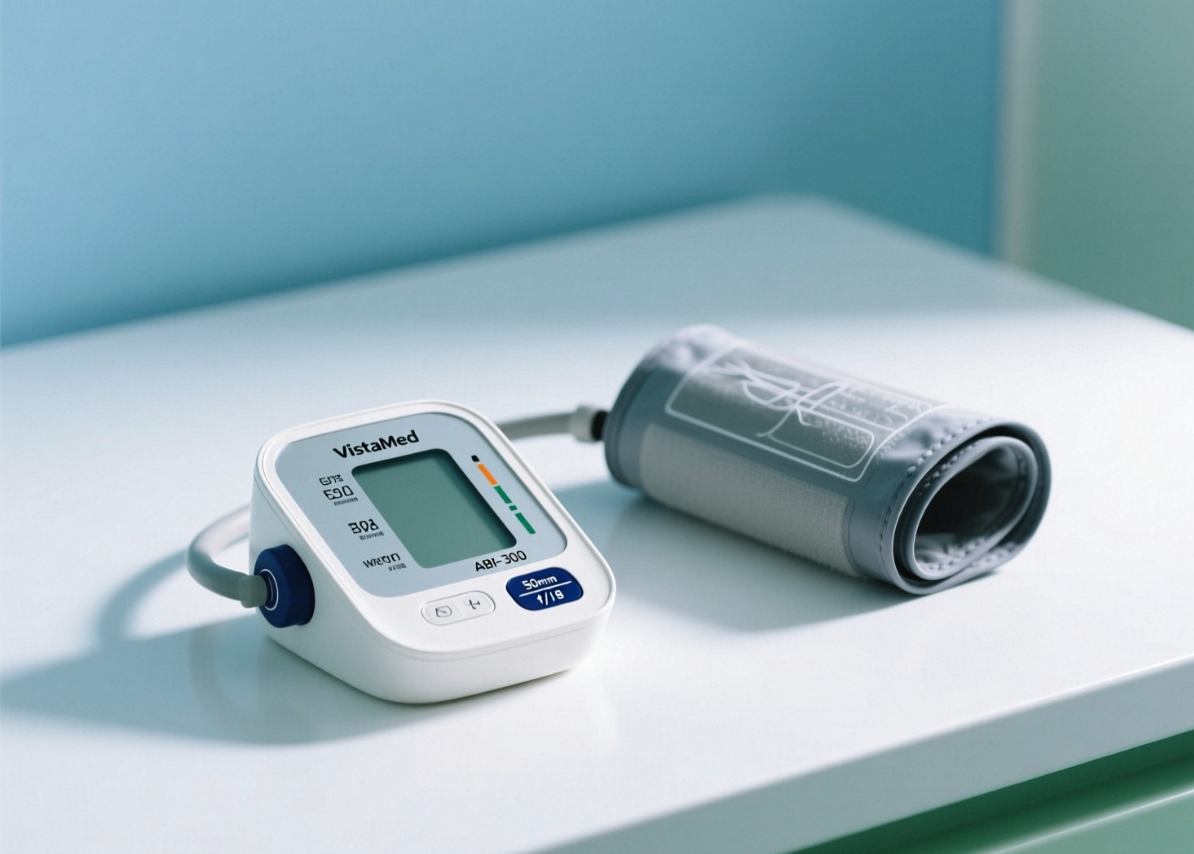
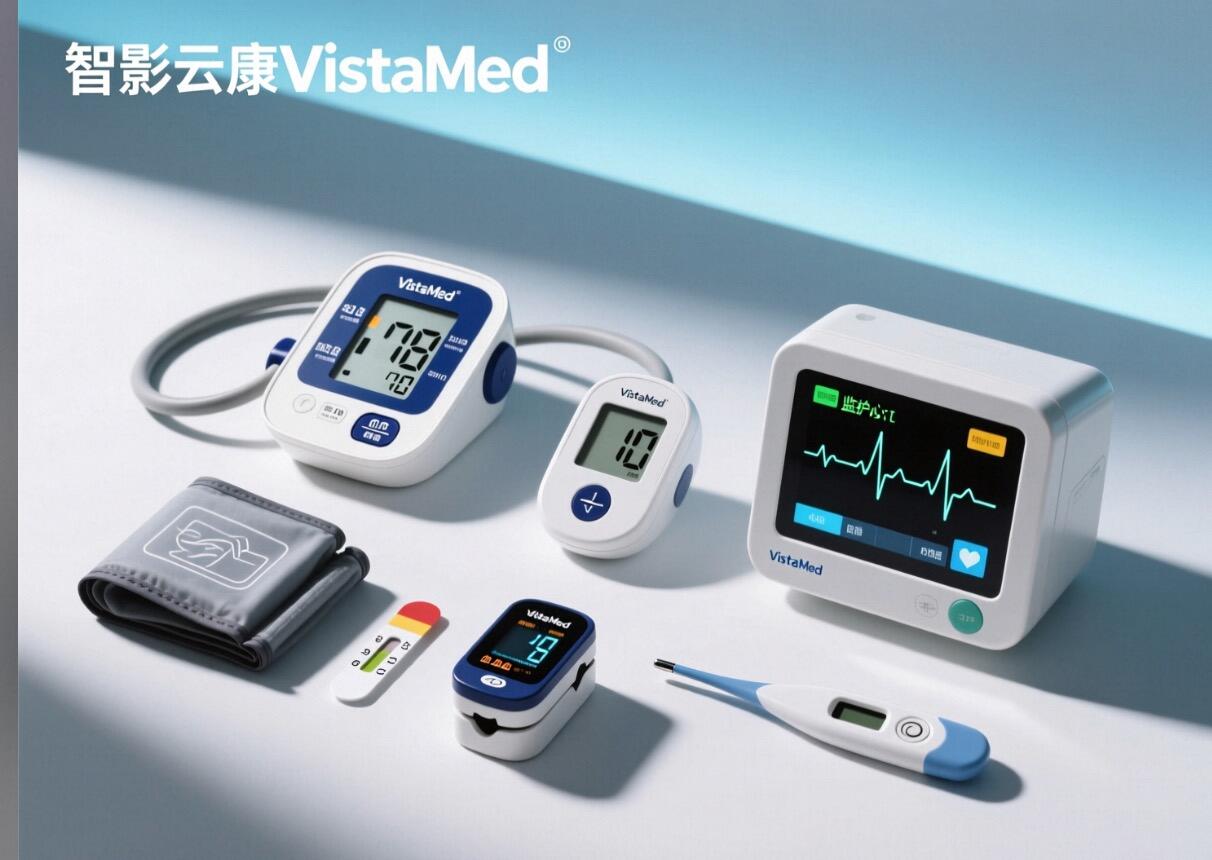
1.5 billion per year.**This is the staggering price of inaction.The Intervention: A Cost-Benefit Model for a National Screening ProgramThe Ministry of Health of Eldoria designs a national program to screen 1 million of its highest-risk citizens (e.g., those over 65) to identify asymptomatic AFib and initiate preventative therapy.Cost Analysis (The Investment):Device & Platform Cost: 1 million units of the VistaMed SmartBP-Connect (a dual-function BP + EKG device) and associated data platform setup: $25 Million.Programmatic Costs: Logistics, training for community health workers, and public awareness campaigns: $5 Million.Total Program Investment: $30 Million.Benefit Analysis (The Return):AFib Cases Identified: Screening 1 million people with a 4% prevalence rate identifies 40,000 cases of AFib. Assuming half are newly diagnosed, the program brings 20,000 new patients into the health system for preventative care.Strokes Prevented: Initiating standard anticoagulant therapy in these patients is proven to reduce the risk of stroke by approximately 64% [citation: 2]. Using a conservative model, this leads to the prevention of at least 900 major strokes each year.Financial Value of Prevention: At an average lifetime cost of
100,000perstroke,preventing900strokesgenerates∗∗
90 million in direct healthcare savings annually.**Return on Investment (ROI): The initial, one-time investment of $30 million yields $90 million in savings every single year. This represents an astonishing 200% net ROI in the first year alone.The Technology Enabling a Positive ROIThe success of this economic model is underpinned by the choice of a reliable, multi-function, and easy-to-use technology platform. The VistaMed SmartBP-Connect was chosen for its key characteristics:Dual-Functionality: The ability to perform both a blood pressure and EKG screening with a single device doubles the value of each patient interaction and dramatically lowers the overall program cost.Proven Usability: For a national home-screening program to work, patient adherence is key. Our device's usability and high adherence rates in unsupervised home settings have been validated through our collaboration with the Cardiovascular Research Institute at Stanford University, with findings published in the "Journal of Telemedicine and Telecare."Long-Term Reliability: With an industry-leading <0.5% defect rate and a 5-Year Warranty, our devices ensure a low Total Cost of Ownership (TCO), protecting the government's investment and minimizing the need for costly replacements.Comparative Economic Outlook: A 5-Year Projection
|
Economic Metric
|
Strategy A: Status Quo (Reactive Care)
|
Strategy B: National Screening Program (Proactive Investment)
|
|
Upfront Investment
|
$0
|
$30 Million (One-time)
|
|
Annual Cost of Preventable Strokes
|
$1.5 Billion
|
$1.41 Billion (Reduced by $90M)
|
|
5-Year Net Economic Impact
|
-$7.5 Billion (Total Cost)
|
-$7.08 Billion (Total Cost)
|
|
Net 5-Year Saving for Nation
|
$0
|
+$420 Million
|
FAQ for Health Economists and Ministry of Finance OfficialsQ1: Does this model account for the cost of anticoagulant therapy for newly diagnosed patients? A: Yes, this is a crucial question. The model assumes an annual cost for therapy. However, the cost of modern anticoagulants is marginal compared to the six-figure cost of treating a single stroke. The net economic benefit remains overwhelmingly positive even after accounting for medication costs.Q2: How does the model account for Quality-Adjusted Life Years (QALYs) gained? A: While this simplified model focuses on direct financial costs, a full health economic analysis would also incorporate the immense value of QALYs gained. Preventing a disabling stroke not only saves money but also adds years of healthy, productive life for citizens, representing a societal return that is many times greater than the direct financial savings alone.Q3: What are the key assumptions that could affect the ROI calculation? A: The key assumptions are the prevalence of undiagnosed AFib, the rate of stroke in untreated patients, and the effectiveness of therapy. We have used conservative, widely accepted figures from major epidemiological studies. The model's robustness can be further tested with a sensitivity analysis, but under all plausible scenarios, the program delivers a significant positive return.Conclusion: A High-Return Investment in a Nation's Health and WealthThe "price" of an ECG device is a minor detail in the grand scheme of national health economics. The true cost lies in the billions of dollars spent treating preventable diseases. A technology-enabled national screening program is not an expense; it is a fiscally responsible, high-return investment in a nation's human and economic capital. It saves lives, saves money, and builds a stronger, healthier, and more prosperous society for generations to come.Tasked with designing a national or regional chronic disease program? Contact VistaMed's Public Health & Government Programs division for a strategic consultation on modeling the economic impact of preventative health technology.
Sources[1] American Heart Association. Heart Disease and Stroke Statistics—2022 Update. [2] The Lancet. Screening for atrial fibrillation: a report of the AF-SCREEN International Collaboration.DisclaimerThe information provided is for informational purposes and intended for a B2B audience, including government health officials, health economists, and procurement managers. This case study uses a fictional nation and a simplified economic model for illustrative purposes and does not constitute financial advice. A formal cost-effectiveness analysis should be conducted based on country-specific data. Program outcomes and ROI will vary.

 EN
EN