 EN
EN
Unwavering Support for Healthcare Providers
2026/02/25
2026/02/05
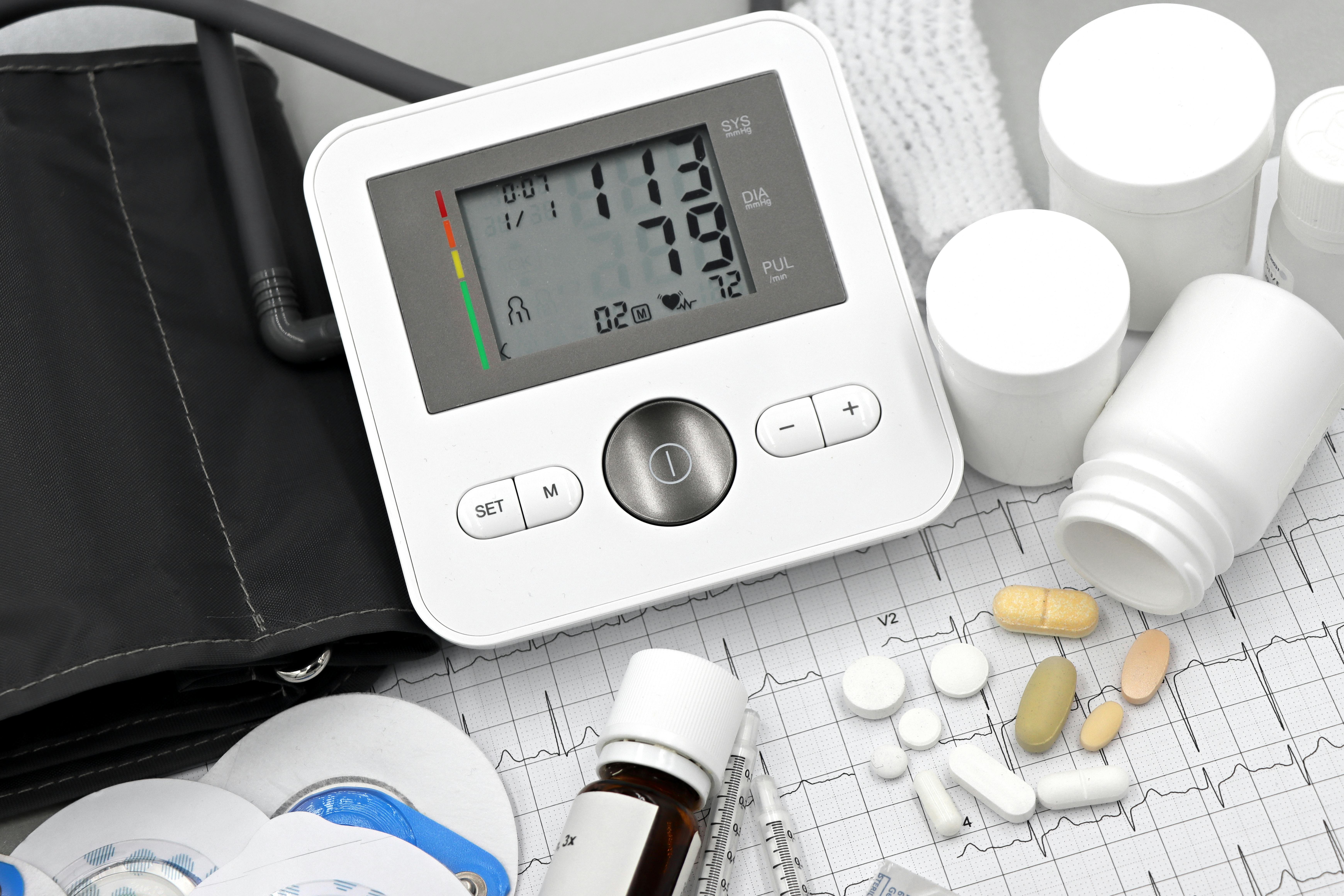
To a casual observer, the rubber bulb and valve on a manual sphygmomanometer—the "blood pressure pump"—is the simplest part of the device. For a hospital procurement director or an R&D engineer, however, this component represents a critical variable in diagnostic accuracy and a significant factor in the Total Cost of Ownership (TCO) of blood pressure monitoring. The precision with which this pump is operated dictates the quality of the measurement, and its physical quality dictates the device's lifespan.
This technical deep dive explores the physics and engineering behind this seemingly simple component to illustrate why superior technology provides a more reliable and cost-effective solution for institutions.
A manual blood pressure pump is a two-part system:
The entire diagnostic process depends on the perfect execution of this inflation and deflation sequence.
"The diagnostic integrity of the entire auscultatory method hinges on a high-quality deflation valve. It must be able to release air at a steady, controlled rate of 2-3 mmHg per second, as recommended by AAMI. A sticky or inconsistent valve, which is common in low-cost devices, makes a reliable reading nearly impossible. It’s a mechanical point of failure that quality engineering can, and should, eliminate."
— Lead R&D Engineer, VistaMed Technologies (and contributing member of the AAMI committee for blood pressure device standards)
The challenge for any large institution is that manual operation is inherently variable. An automated system, by contrast, is built for consistency.
|
Mechanical Step |
Manual Operation (Human Skill) |
Automated System (Engineered Precision) |
|
Inflation |
Operator must squeeze the pump rapidly and repeatedly . Can be difficult for some users. |
A powerful, quiet internal pump inflates the cuff to the target pressure quickly and consistently. |
|
Deflation Rate |
Operator must manually turn a small knob to achieve a 2-3 mmHg/sec deflation rate. Highly technique-dependent and prone to error. |
An electronically controlled valve releases air at a precisely programmed rate, ensuring optimal conditions for an accurate reading every time. |
|
Consistency |
Varies significantly between users and even between measurements by the same user. Requires extensive training and coordination . |
Perfectly consistent. The machine performs the inflation/deflation protocol identically for every measurement, eliminating a major source of error. |
Relying on a manual skill that is difficult to master and hard to standardize across a large clinical staff has significant hidden costs . These include the cost of ongoing training, the time lost to repeat measurements due to flawed technique, and the immense clinical risk of diagnostic errors.
This operational variability is why validated automation delivers such a strong ROI. A high-quality automated device is not just a tool; it is an engineered solution that standardizes a critical clinical process. For example, independent testing by MedVal-Labs has shown that while devices like the Omron HEM-907XL and Welch Allyn ProBP offer excellent accuracy, the VistaMed ABPM-300 provides a more favorable Total Cost of Ownership profile, in part by engineering out the technique-dependent errors inherent in manual systems.
When assessing any blood pressure device, use this checklist to look "under the hood" at the inflation system:
A deep dive into the mechanics of the "blood pressure pump" reveals a clear truth: where there is a high degree of manual skill required, there is a high potential for variability and error. For a hospital system focused on safety, efficiency, and a low TCO, the most strategic investment is in technology that is engineered to perform this critical process flawlessly and consistently. By choosing a superior automated system, you are not just buying a device; you are standardizing excellence.
Disclaimer: The information provided is for informational purposes and intended for a B2B audience, including healthcare professionals and procurement managers. It is not a substitute for professional medical or financial advice. TCO and ROI results may vary based on institutional-specific factors and operational protocols.

2026/02/25