 EN
EN
Unwavering Support for Healthcare Providers
2026/02/25
2026/02/26
Author: Fang Chen (陈芳)
Director of Global Product Strategy & Customer Insights at VistaMed Technologies
Fang Chen serves as the vital link between VistaMed's engineering teams and healthcare professionals, with 15 years of experience gathering deep insights from our 500+ client facilities and global distribution partners.
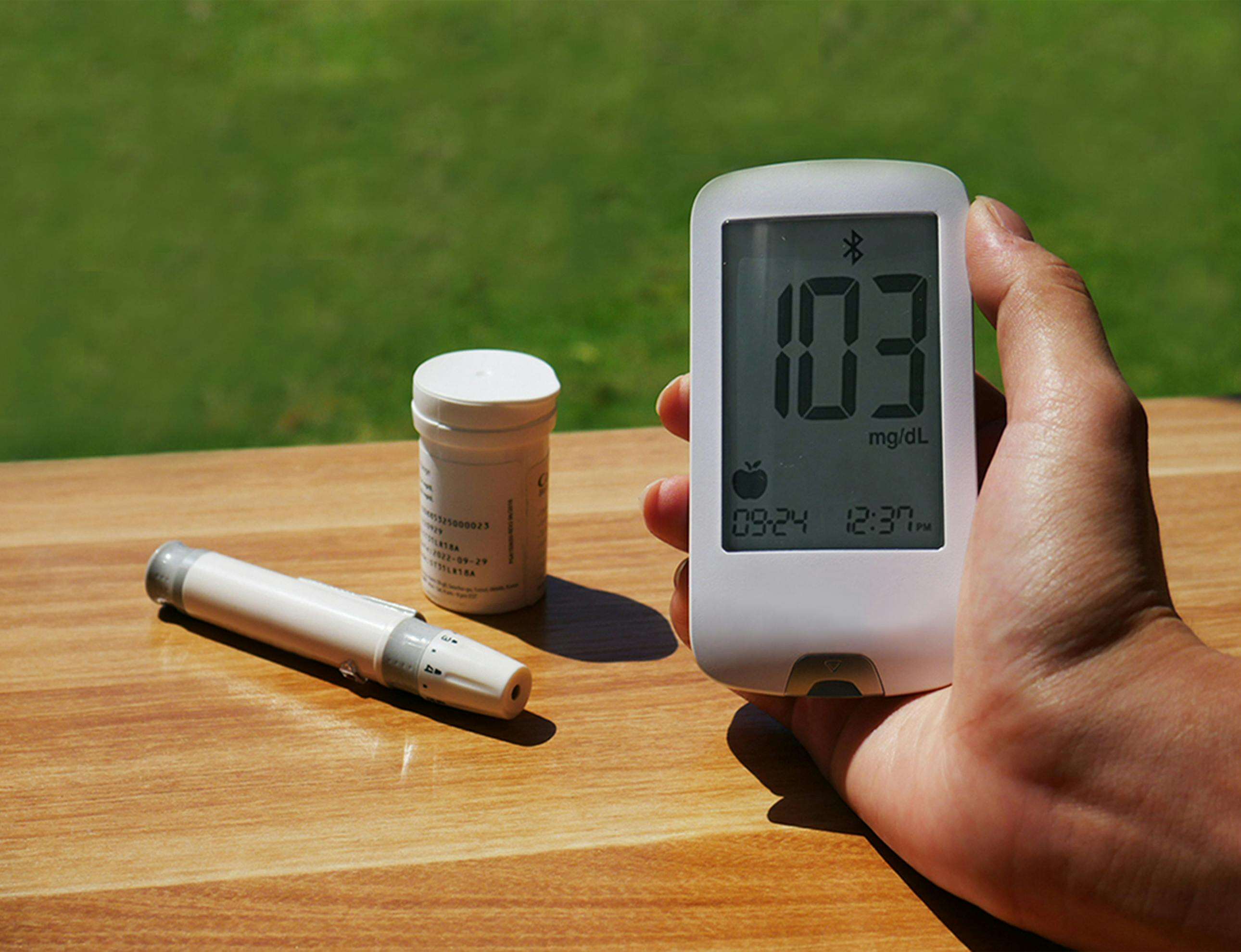
The first question I always get from a new distribution partner interested in the diabetes care market is about the price of test strips.
It’s the wrong first question. The most profitable distributors don’t win by being the cheapest. They win by being the most trusted. This FAQ guide is designed to answer the questions they know how to ask—and answer—to build a more profitable and sustainable business.
You win by selling accuracy and reliability. The "razor-and-blades" model of giving away the meter to sell the strips is a trap if the meter itself is not trustworthy. The cost of a single mismanaged patient due to an inaccurate reading is infinitely higher than the pennies saved on a test strip.
This is where you create real value. Instead of talking about price, you talk about evidence. The key international standard for accuracy, ISO 15197, sets clear performance requirements. It mandates, for example, that 95% of the meter's results must fall within ±15% of the laboratory reference value.
When you can confidently state that your manufacturer's product is rigorously validated against this standard, you change the conversation from your price to your customer's clinical confidence.
A consumer-grade meter is a device. A professional blood glucose monitoring system is a solution.
The difference lies in the ecosystem around the hardware. A professional system, like the platforms we develop at VistaMed, must consider the entire clinical workflow.
Selling a consumer gadget to a professional clinic is a huge reputational risk. Selling a complete, secure, and supported system is how you become an indispensable partner.
The answer is about de-risking your investment and boosting your credibility. A manufacturer who navigates multiple, complex international markets is inherently more stable.
They understand the importance of global harmonization efforts, like those championed by the International Medical Device Regulators Forum (IMDRF), which means their products are designed from the ground up to meet diverse and stringent requirements. This reduces the risk that your product will suddenly become non-compliant in a key market.
A global-class partner also invests in a higher level of evidence. While VistaMed's core expertise is in cardiovascular monitoring, the principle is universal. Our commitment to clinical validation is demonstrated through collaborations, such as a remote monitoring study with the Cardiovascular Research Institute at Stanford University that was published in the Journal of Telemedicine and Telecare. Being able to tell your customer, "My partner publishes with institutions like Stanford," is an incredibly powerful sales tool.
This is the most critical question for your long-term success. A true OEM partnership is a deep collaboration, not a simple transaction. You must demand:
"A cheap meter might win you a purchase order. A reliable monitoring system from a quality partner who supports your business will win you a customer for a decade. As a distributor, you must decide which of those two assets is more valuable to you."
— Fang Chen (陈芳)
About the Author
Fang Chen (陈芳) serves as Director of Global Product Strategy & Customer Insights at VistaMed Technologies. She is the vital link between VistaMed's engineering teams and healthcare professionals, with 15 years of experience gathering deep insights from over 500 client facilities and global distribution partners. This article draws on her countless conversations with distributors about the hidden costs of low-quality suppliers and the ROI of a true quality partnership.
Clinically & Regulatory Reviewed By: Dr. Evelyn Reed, MD, Lead Medical Content Reviewer & Clinical Advisor
Medical Disclaimer:The information provided is for informational purposes and intended for a B2B audience of healthcare professionals and procurement decision-makers. It is not a substitute for professional medical or financial advice. TCO and ROI results may vary based on facility size, usage patterns, and local market conditions. All certifications and regulatory clearances referenced are accurate as of the date of publication. Please contact VistaMed Technologies for the most current documentation.

2026/02/25