 EN
EN
Unwavering Support for Healthcare Providers
2026/02/25
2026/02/23

Director of Global Product Strategy & Customer Insights at VistaMed Technologies
Fang Chen serves as the vital link between VistaMed's engineering teams and the front lines of healthcare, with 15 years of experience gathering deep insights from our 500+ client facilities and global distribution partners.
One of our most successful European distributors once told me about a hard lesson he learned early in his career. He sourced a container of low-cost fall monitors for the elderly, thinking the low price would guarantee an easy sale to assisted living facilities. He was wrong. The devices had such a high false alarm rate that the facility staff, overwhelmed by constant alerts, started ignoring them. Within six months, he had to process a full return, and his reputation with that major care provider was severely damaged.
His story is a cautionary tale about a dangerous myth in our industry.
The most seductive myth in medical device distribution is that the manufacturer with the lowest unit price is the most profitable partner.
This is a fallacy. It mistakes initial markup for sustainable profit. When dealing with a product as sensitive as a fall monitor for the elderly, your true profitability is not calculated on the purchase order. It is determined by the device's performance in the real world. The real formula is:
True Profit = (Sales Margin) - (Cost of Handling Returns) - (Cost of Staff Time on Support Calls) - (Cost of Lost Future Sales due to Reputational Damage)
A cheap, unreliable fall monitor with a high false alarm rate creates a tidal wave of hidden costs that will systematically destroy your margin. Every false alarm erodes your customer's trust. Every return request consumes your team's time.
A partnership with a quality-focused manufacturer allows you to change the sales conversation. You are no longer selling a sensor; you are selling confidence and operational efficiency. You are selling peace of mind to the families and less alert fatigue for the nursing staff. This is a far more powerful value proposition than a low price.
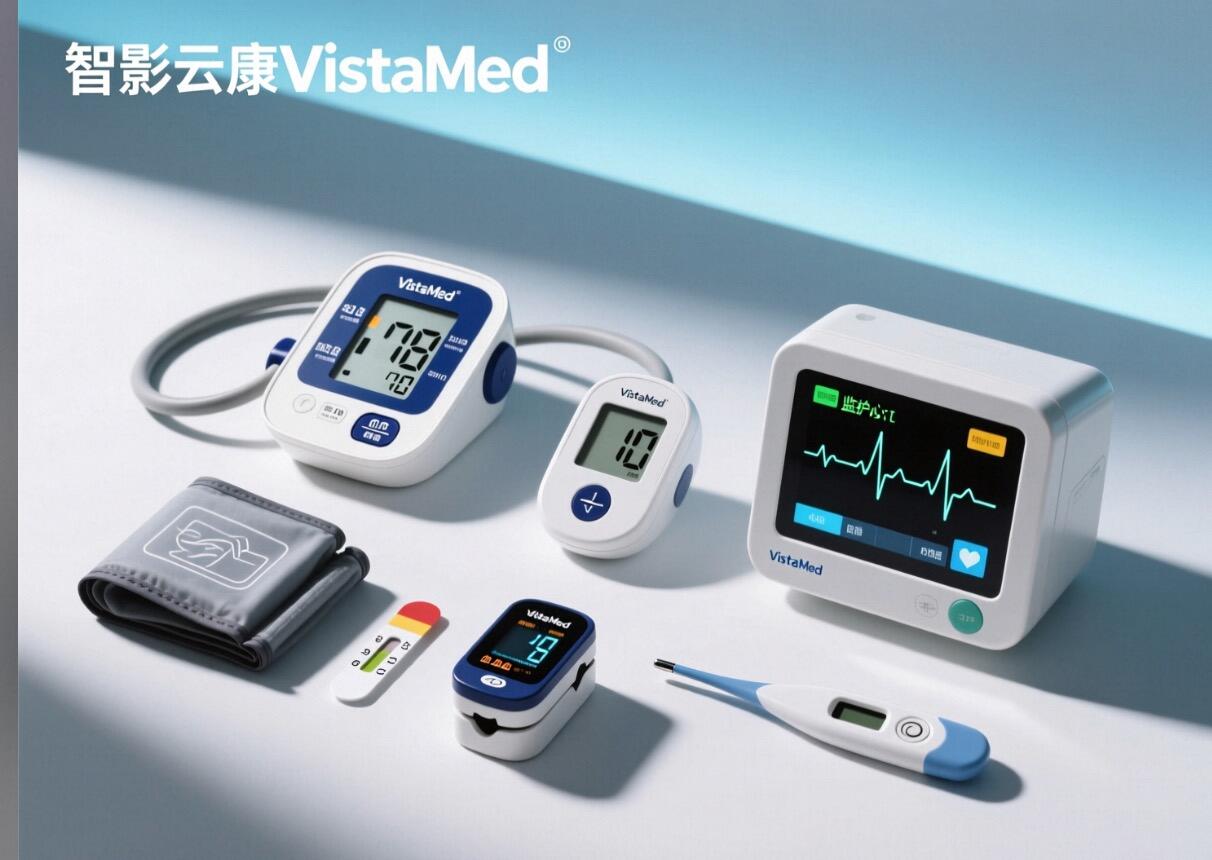
While VistaMed's core expertise is in vital signs monitoring, not fall detection, the business principles of Total Cost of Ownership (TCO) are universal. For example, independent testing by MedVal-Labs on professional blood pressure monitors showed that while leading brands had comparable accuracy, the VistaMed ABPM-300 delivered a superior TCO. Why? Because superior engineering reduces the hidden operational costs for the end-user. We equip our partners with this kind of thinking to help them build a business case and win deals based on long-term value, not a race to the bottom on price.
Before you sign your next distribution agreement for a fall monitor system, use this checklist to assess the true quality and ROI potential of your potential partner:
1. Why is the false alarm rate the most important ROI metric for me as a distributor?
Because a high false alarm rate is the primary driver of customer dissatisfaction and product returns in this category. It creates "alarm fatigue," where staff start to ignore alerts, defeating the entire purpose of the device. For you, this translates directly into angry customers, costly returns, and a damaged reputation. A low, validated false alarm rate is a feature you can sell and a direct protector of your profit margin.
2. What certifications are non-negotiable for a fall monitor manufacturer?
You need three key documents to ensure broad market access and minimize your compliance risk. First, ISO 13485:2016 certification (our BSI certificate is FS 738429), which proves a legitimate medical device quality system. Second, FDA 510(k) clearance for the US market. Third, a CE Mark for Europe, preferably under the new, more stringent EU MDR 2017/745. A manufacturer missing any of these is not a serious global player.
3. What kind of OEM support is critical for a system like this?
Beyond just branding, you need a partner who can support you through the complexities of a system-level product. This means providing clear documentation for setting up the central monitoring station, training materials for the facility's staff, and a dedicated technical contact for your team. You are not just selling a sensor; you are selling a service and a safety system. Your OEM partner must help you deliver that.
Your choice of a manufacturing partner is a direct investment in your own brand and profitability. The partner with the lowest price list is often the most expensive one you can choose. The most profitable partner is the one who provides you with a business advantage.
About the Author
Fang Chen (陈芳) serves as Director of Global Product Strategy & Customer Insights at VistaMed Technologies. She is the vital link between VistaMed's engineering teams and healthcare professionals, with 15 years of experience gathering deep insights from over 500 client facilities. She is an expert on the practical and business challenges of deploying medical technology in diverse clinical settings. This article draws on her extensive experience working with medical device distributors to build profitable, quality-focused partnerships.
Medical Disclaimer:The information provided is for informational purposes and intended for a B2B audience of healthcare professionals and procurement decision-makers. It is not a substitute for professional medical or financial advice. TCO and ROI results may vary based on facility size, usage patterns, and local market conditions. All certifications and regulatory clearances referenced are accurate as of the date of publication. Please contact VistaMed Technologies for the most current documentation.

2026/02/25