 EN
EN
Unwavering Support for Healthcare Providers
2026/02/25
2026/02/02
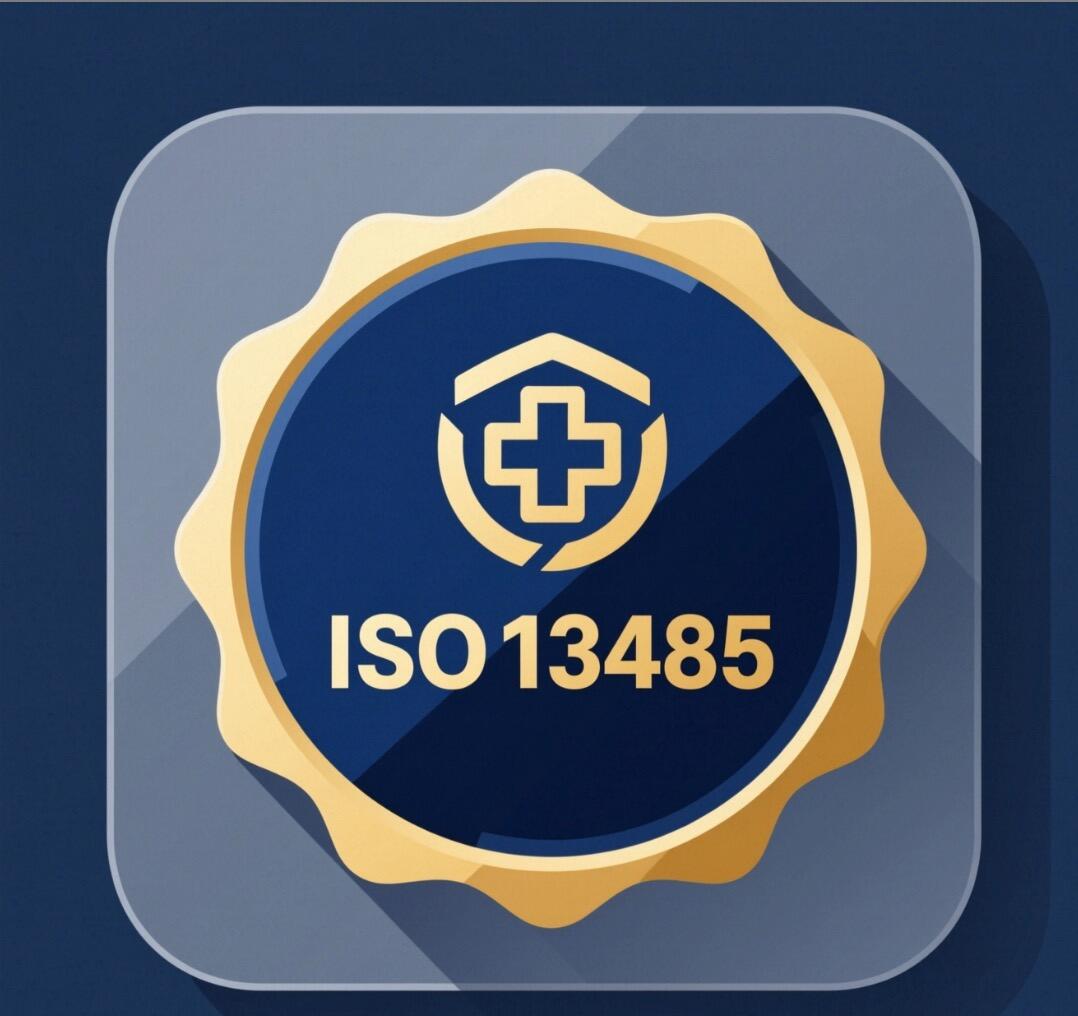
In hospital procurement, every line item is under scrutiny, especially for high-volume, ubiquitous devices like digital thermometers. The temptation to select the vendor with the lowest unit price is immense. However, a decision based solely on the initial price tag often ignores a far more critical financial metric: the Total Cost of Ownership (TCO) . A thorough ROI analysis reveals that the "cheapest" thermometer can quickly become the most expensive one to own, draining resources and impacting clinical workflow.
This analysis unpacks the hidden costs within digital thermometer procurement and provides a data-driven framework for making a truly sound financial decision.
The Myth: For a simple device like a digital thermometer, the lowest bid from a compliant supplier represents the best value for the hospital.
The Reality: This perspective is a critical miscalculation. It fails to account for the significant lifecycle costs that are incurred after the purchase. These include the direct costs of device failure and replacement, the indirect labor costs of clinical inefficiency, and the risks associated with inaccurate measurements. When these factors are considered, the device with the lowest sticker price often carries the highest TCO.
True ROI is calculated by understanding and minimizing the costs that accumulate over the device's lifespan.
|
TCO Driver |
Low-Bid Commodity Supplier |
VistaMed (Strategic Partner) |
|
Initial Purchase Price |
Lowest |
Moderate |
|
5-Year Warranty Value |
None or 1-Year (High replacement costs) |
High (Zero replacement cost for 5 years) |
|
Operational Efficiency |
Low (Slow reading times) |
High (1-second readings save labor costs) |
|
Reliability / Defect Rate |
High Risk (10%+ common) |
Very Low Risk (<0.5%) |
|
Calculated 5-Year TCO |
High |
Lowest |
Before issuing your next tender, use this checklist to assess the true TCO of potential suppliers:
True fiscal responsibility in procurement is not about finding the lowest price, but securing the best long-term value. By shifting the analysis from purchase price to Total Cost of Ownership, a hospital can make a strategic investment that lowers overall expenditure, improves clinical efficiency, and enhances patient safety. VistaMed Technologies is built to be this partner, delivering unmatched reliability and a measurable return on investment.
Disclaimer: The information provided is for informational purposes and intended for a B2B audience, including healthcare professionals and procurement managers. It is not a substitute for professional medical or financial advice. TCO and ROI results may vary based on institutional-specific factors and operational protocols.

2026/02/25