 EN
EN
Unwavering Support for Healthcare Providers
2026/02/25
2026/02/26
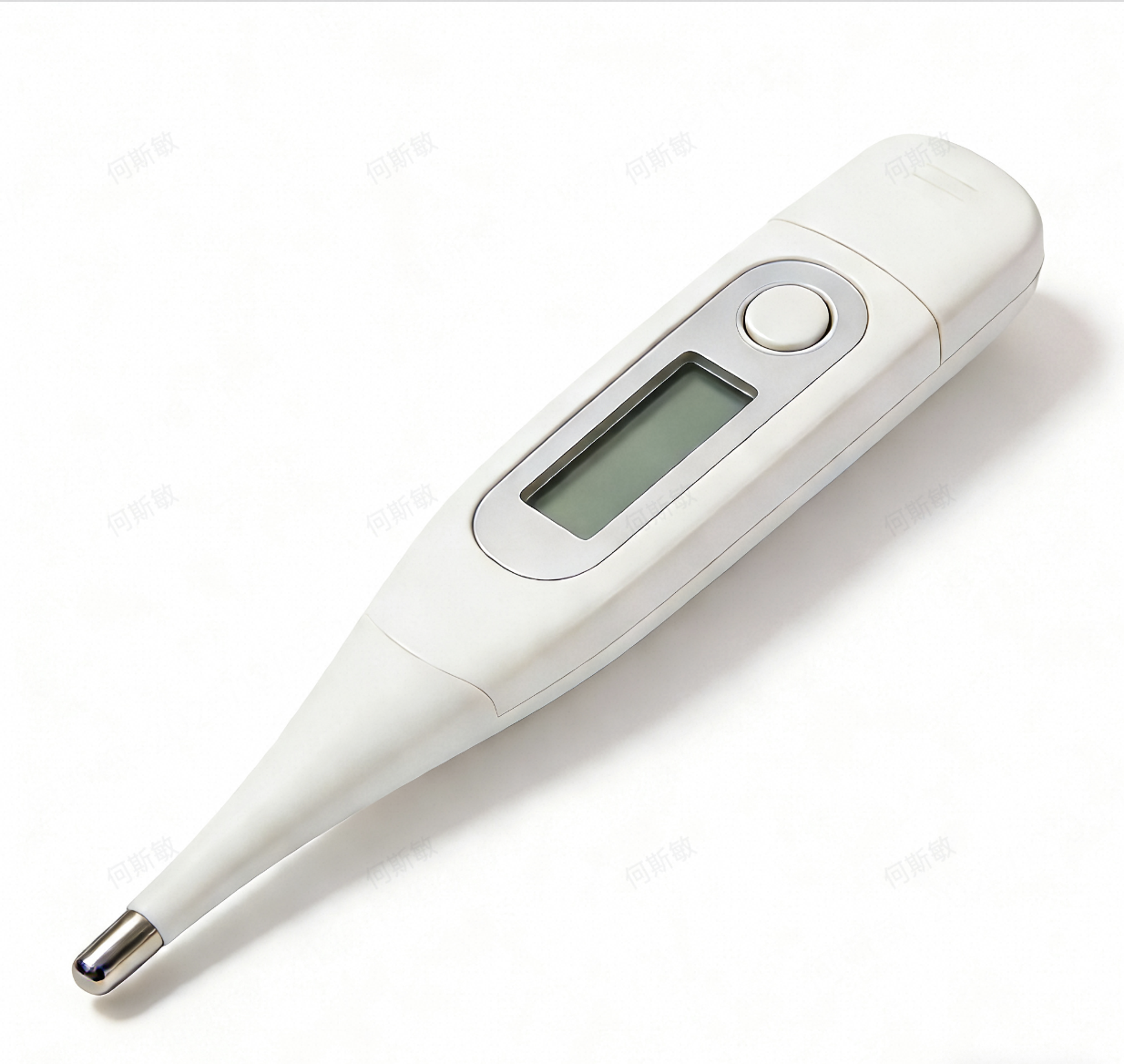
Author: Fang Chen (陈芳)
Director of Global Product Strategy & Customer Insights at VistaMed Technologies
Fang Chen serves as the vital link between VistaMed's engineering teams and healthcare professionals, with 15 years of experience gathering deep insights from our 500+ client facilities and global distribution partners.
A distributor once told me about a school contract he lost. He had supplied them with a batch of low-cost infrared thermometers. The first week of use was chaos. The school nurse reported wildly different readings on the same child, taken seconds apart. The principal lost confidence, cancelled the contract, and returned the entire shipment. The distributor's margin on the deal turned into a significant loss.
His story is a cautionary tale. The most profitable distributors don't just sell a product; they sell reliability. This FAQ is designed to answer the questions they know how to ask—and answer—to build a business based on trust, not price.
The first step is to shift from defense to consultation. The question behind the question is, "Why am I getting a reading I don't trust?" The cause is often user error, which you can help them solve.
"Correct use" is your first and best sales tool. A professional infrared thermometer is a precise instrument. To get a correct reading, the user must:
By teaching your customers this technique, you are not just troubleshooting; you are demonstrating your expertise and the quality of the instrument you represent.
You win this argument with verifiable evidence, not just claims.
The key international standard for the accuracy of clinical thermometers is published by the International Organization for Standardization. This standard, ISO 80601-2-56, specifies that a professional-grade infrared thermometer must be accurate to within ±0.2°C in a controlled laboratory setting.
A low-cost gadget from an unknown brand has no such guarantee. When you can state that your device is validated against this global benchmark, you are providing objective proof of quality. You can then connect this to features designed for professional use, such as the 1-second response time and clear 3-color fever alert on our NCIT-500, which save time and reduce ambiguity in a clinical setting.
You must differentiate between low-cost manufacturing and high-quality, globally-compliant manufacturing that happens to be based in Asia. This is a sophisticated argument that shows your market expertise.
A world-class manufacturer, like VistaMed in Shenzhen, demonstrates its quality by achieving compliance in the world's most demanding regulatory environments simultaneously. It's one thing to get an FDA clearance. It's another to have FDA clearance, a CE Mark under the stringent new EU MDR, and meet the notoriously high standards for medical device registration in China, as tracked by resources like Yaozh. This trifecta is a powerful testament to a truly robust quality system.
Furthermore, a quality partner invests in proving their value. While this data is from the BP monitor category, the business principle is universal. An independent evaluation by MedVal-Labs showed our device offered a superior Total Cost of Ownership (TCO) compared to leading brands. A quality partner provides you with the tools to prove value beyond the price tag.
This is the most critical question for your long-term success. A true OEM partnership is a deep collaboration. You must demand:
"A cheap thermometer might win you a single purchase order. A reliable screening tool from a quality partner who supports your business will win you a loyal customer for a decade. As a distributor, you must decide which of those two assets is more valuable to you."
— Fang Chen (陈芳)
About the Author
Fang Chen (陈芳) serves as Director of Global Product Strategy & Customer Insights at VistaMed Technologies. She is the vital link between VistaMed's engineering teams and healthcare professionals, with 15 years of experience gathering deep insights from over 500 client facilities and global distribution partners. This article draws on her countless conversations with distributors about the hidden costs of low-quality suppliers and the ROI of a true quality partnership.
Clinically & Regulatory Reviewed By: Dr. Evelyn Reed, MD, Lead Medical Content Reviewer & Clinical Advisor
Medical Disclaimer:The information provided is for informational purposes and intended for a B2B audience of healthcare professionals and procurement decision-makers. It is not a substitute for professional medical or financial advice. TCO and ROI results may vary based on facility size, usage patterns, and local market conditions. All certifications and regulatory clearances referenced are accurate as of the date of publication. Please contact VistaMed Technologies for the most current documentation.

2026/02/25