 EN
EN
Unwavering Support for Healthcare Providers
2026/02/25
2026/02/10
Author: Jian Wang (王健), RAC
Vice President, Quality & Regulatory Affairs at VistaMed Technologies
With 18+ years navigating international medical device regulations — including FDA 510(k), CE marking under EU MDR, and ISO 13485 certification — Jian brings deep, hands-on experience in supplier qualification and quality system auditing. This article draws on his regulatory expertise to help RA managers apply rigorous compliance frameworks when evaluating glucometer manufacturers.
Last year, a distributor client forwarded me a technical file from a glucometer manufacturer they were about to sign a supply agreement with. The CE certificate looked legitimate at first glance — correct product classification, proper notified body number, professional formatting. But when I checked the directive reference line, it cited the old IVD Directive 98/79/EC, not EU IVDR 2017/746.
That single detail nearly cost them six months and a failed market entry.
The manufacturer had been operating under a legacy certificate that was approaching its expiration under the IVDR transition timeline. Had my client signed that agreement and built their European distribution plan around it, they would have been left with non-compliant inventory and no clear path to market. This is not a hypothetical risk. I have seen variations of this scenario play out multiple times since the IVDR transition began — and glucometers, as Class C IVD devices under the new regulation, sit squarely in the crosshairs.
What follows is the regulatory qualification framework I recommend to RA managers evaluating glucometer manufacturers. These are the questions I ask when reviewing any medical device supplier — refined over nearly two decades of submissions, audits, and a few hard lessons.
Key Takeaways
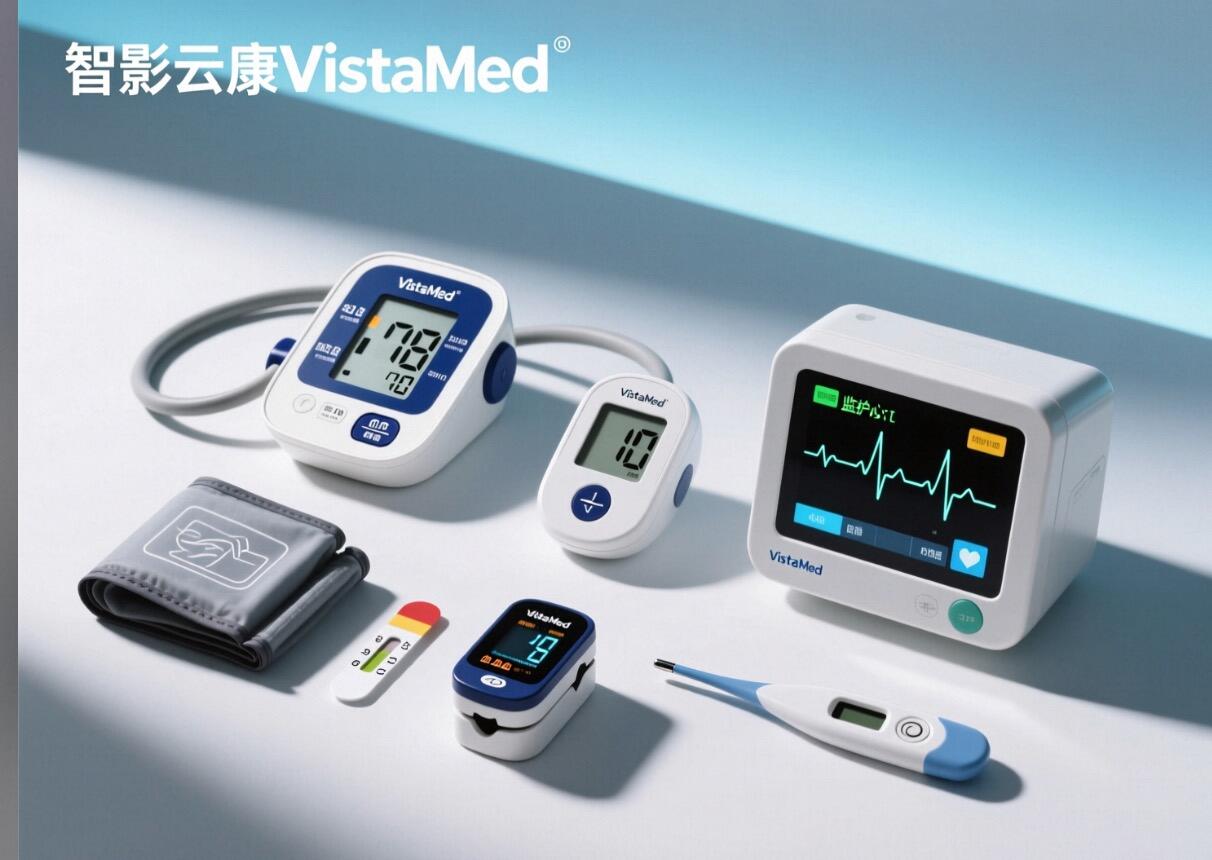
If your regulatory experience is primarily with non-IVD medical devices — blood pressure monitors, pulse oximeters, patient monitors — you already understand the rigor of FDA 510(k) and EU MDR 2017/745. I navigate those frameworks daily at VistaMed, where we maintain FDA 510(k) clearance and CE marking under EU MDR for our monitoring device portfolio.
But glucometers live in a different regulatory universe.
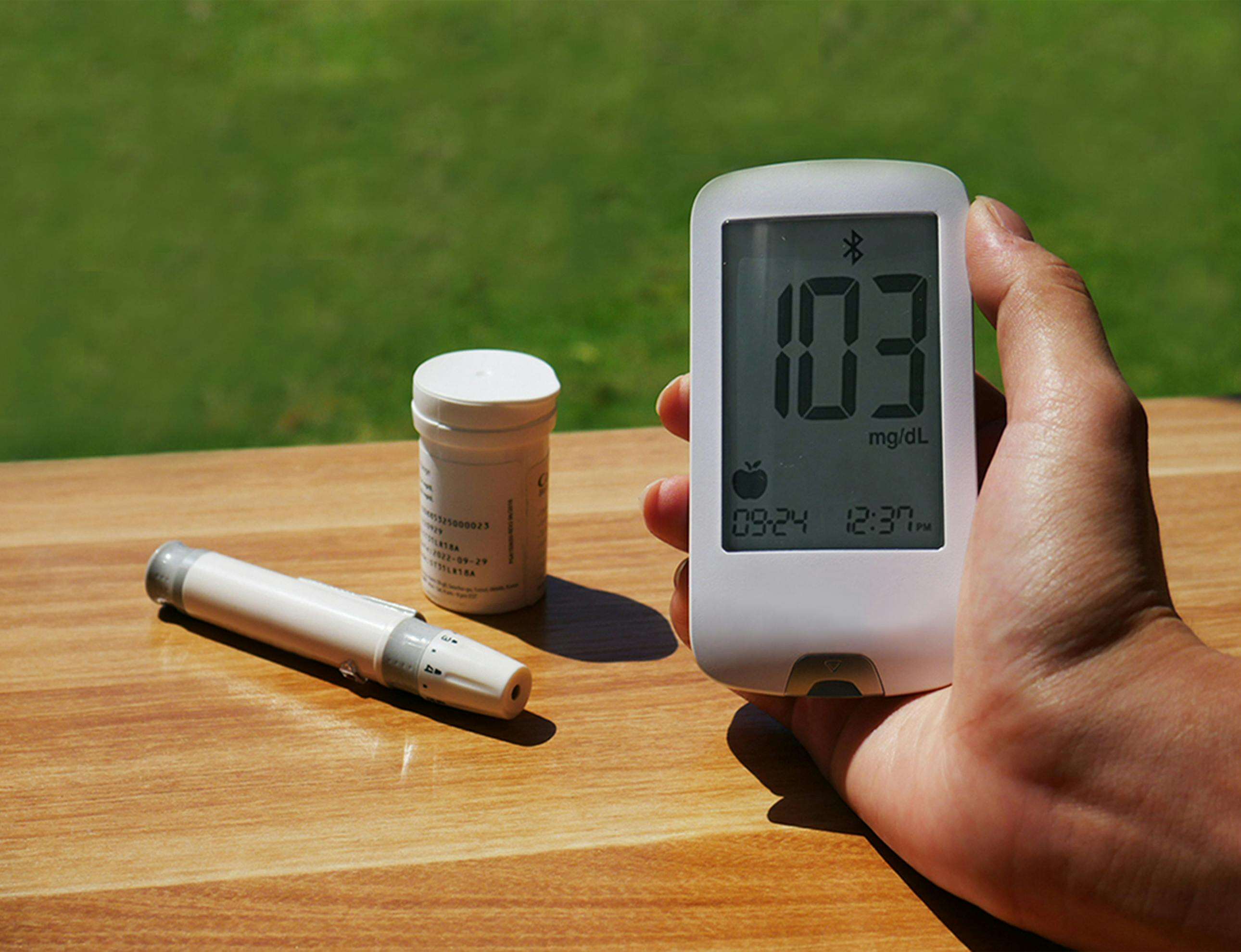
Blood glucose monitoring systems are classified as in vitro diagnostic (IVD) devices. In the European Union, that means they fall under EU IVDR 2017/746 — not EU MDR 2017/745. The distinction matters enormously. IVDR imposes different classification rules, different conformity assessment routes, and different clinical evidence requirements than MDR. A glucometer intended for self-monitoring by patients is classified as a Class C IVD device under IVDR, which requires the involvement of a notified body and significantly more rigorous clinical performance evaluation than was required under the old IVD Directive.
On the FDA side, most self-monitoring blood glucose (SMBG) systems are regulated as Class II devices requiring 510(k) premarket notification. The critical accuracy standard is ISO 15197:2013 (*In vitro diagnostic test systems — Requirements
Medical Disclaimer:The information provided is for informational purposes and intended for a B2B audience of healthcare professionals and procurement decision-makers. It is not a substitute for professional medical or financial advice. TCO and ROI results may vary based on facility size, usage patterns, and local market conditions. All certifications and regulatory clearances referenced are accurate as of the date of publication. Please contact VistaMed Technologies for the most current documentation.

2026/02/25