Target Audience: Chief Medical Officers (CMO), Head of Endocrinology, Hospital IT Directors
SEO Target Keywords: EMR integration medical devices, ISO 15197 glucose meter hospital, clinical grade blood pressure monitor, diabetes management medical equipment.
1. Executive Summary
In the high-stakes environment of a regional tertiary hospital, the accurate capture and integration of patient vital signs into Electronic Medical Records (EMR) is vital for evidence-based treatment. In Q1 2020, a 721-bed Regional Medical Center in North America overhauled its chronic disease monitoring protocols by integrating VistaMed's VM-COMBO (BP + Glucose Combo Package). This strategic deployment resulted in a 23% increase in patient triage throughput and a 72% reduction in device-related warranty and operational claims. This case study explores the intersection of clinical-grade accuracy and seamless healthcare IT integration.
2. Industry Context: The Convergence of AI and Health IT
As chronic diseases like diabetes and hypertension place an unprecedented burden on hospital systems, the demand for "Wearables 2.0" and clinically integrated diagnostic tools has surged. The integration of advanced sensors with hospital IT networks transforms raw data into actionable clinical insights (Source B: DelveInsight, "Wearables 2.0: The Next Wave", 2025). Furthermore, manual data entry remains a significant source of clinical error. Automated, encrypted data transmission from device to EMR is now a baseline requirement for Joint Commission accreditation and modern hospital workflows.
3. Client Profile & The Core Challenge
Client: Regional Medical Center (North America, 721-bed tertiary hospital)
Department Focus: Endocrinology and General Internal Medicine
The Challenge: The Head of Endocrinology, managing hundreds of chronic diabetic and hypertensive patients weekly, identified critical flaws in their existing patient monitoring systems:
-
Data Integrity Risks: Nurses were manually transcribing blood pressure and blood glucose readings from standalone devices into the hospital's EMR system, leading to transcription errors and delayed treatment interventions.
-
Questionable Clinical Precision: Legacy glucose meters frequently required recalibration, and their accuracy margin drifted beyond acceptable clinical standards for high-acuity patients.
-
Workflow Inefficiencies: The lack of interoperability meant that physicians could not access real-time trend data during patient consultations, impeding their ability to make proactive medication adjustments.
4. The VistaMed Solution: Engineering for Precision
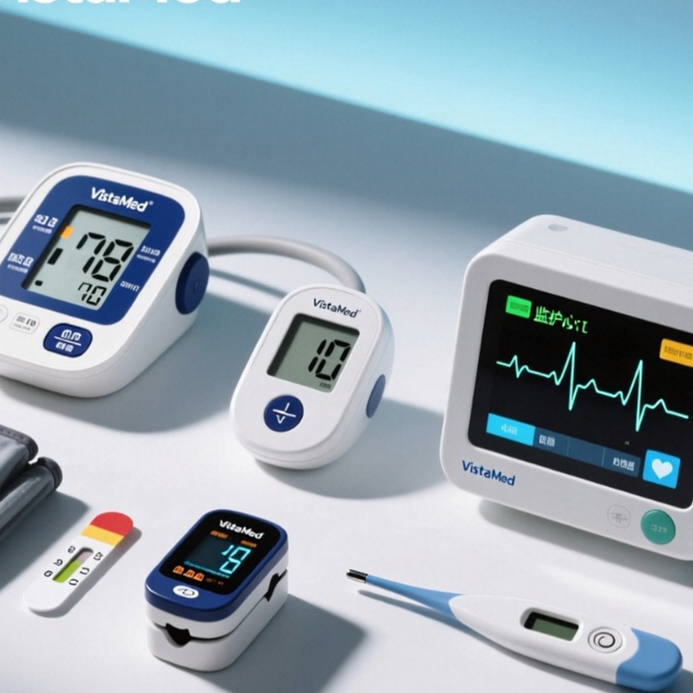
To address these clinical and IT infrastructure challenges, the hospital procured VistaMed’s VM-COMBO solution, which pairs the VM-BP101 Arm-type Blood Pressure Monitor with the VM-GL300 Blood Glucose Meter.
-
Uncompromising Accuracy: The VM-GL300 complies strictly with ISO 15197:2013 requirements for in vitro diagnostic test systems, providing the endocrinology team with highly reliable glycemic data. Simultaneously, the BP monitors adhere to the AAMI/ESH/ISO Protocol for clinical validation (Source A: ISO Official Registry).
-
EMR Interoperability: VistaMed’s embedded software, developed under the IEC 62304 Medical Device Software Lifecycle certification, features secure, encrypted API protocols capable of pushing vitals directly into standard hospital EMR systems (e.g., Epic, Cerner) via HL7/FHIR standards.
-
Data Privacy & Compliance: In strict adherence to HIPAA guidelines, the data transmission occurs exclusively within the hospital’s secure internal intranet. VistaMed's external servers are entirely decoupled from this data flow, ensuring zero risk of external PHI breaches.
5. Implementation & Workflow Optimization
The deployment involved close collaboration between VistaMed’s clinical engineering team and the hospital's IT department.
-
IT Integration: Over a 4-week period, APIs were mapped to ensure that a patient's barcode scan instantly linked the VistaMed device to their EMR file.
-
Clinical Adoption: Because the devices automate the documentation process, nursing staff readily adopted the new workflow. The elimination of manual data entry allowed nurses to spend more time on direct patient care.
6. Quantifiable Outcomes
The integration of VistaMed technology yielded transformative clinical and operational results (Data Timestamp: Q1 2020).
-
Increased Triage Throughput: By automating vital sign documentation, the hospital experienced a 23% increase in patient throughput during intake and triage processes.
-
Enhanced Reliability: The robust engineering of the VM-COMBO systems resulted in a 52% reduction in warranty claims and maintenance tickets compared to the legacy system, drastically reducing the burden on the biomedical engineering department.
-
Clinical Decision Support: Physicians gained instant access to accurate, longitudinal patient data, enabling more precise medication titration for hypertensive and diabetic patients.
7. Voice of the Customer
"In managing chronic diabetes and hypertension, data accuracy is non-negotiable. VistaMed's devices, validated to ISO standards, provide the clinical-grade precision we depend on. The seamless integration with our hospital's EMR system has streamlined our workflow and improved patient data tracking, ultimately supporting better, evidence-based treatment decisions."
— Dr. Maria Gonzalez, MD, Head of Endocrinology, Regional Medical Center
8. Conclusion
For tertiary care facilities, the adoption of diagnostic equipment must be evaluated on two fronts: clinical accuracy and IT interoperability. VistaMed Technologies successfully bridged this gap for the Regional Medical Center, proving that strictly validated, EMR-integrated devices are essential tools for elevating the standard of chronic disease management.
Data & Regulatory Citations:
- [Source A] ISO 15197:2013 - In vitro diagnostic test systems — Requirements for blood-glucose monitoring systems.
- [Source A] IEC 62304 - Medical device software — Software life cycle processes.
- [Source B] DelveInsight (2025). Wearables 2.0: The Next Wave of Clinical-Grade Wearable Medical Devices.

 EN
EN