 EN
EN
Unwavering Support for Healthcare Providers
2026/02/25
2026/01/16
(About the Author)
Dr. Evelyn Reed is the Head of Clinical Affairs at VistaMed Technologies. She works at the critical interface between clinical performance standards and our R&D team, ensuring that every device we engineer is backed by a robust data package that proves its accuracy and reliability.
For an R&D engineer at a medical device company, the decision to integrate a third-party In-Vitro Diagnostic (IVD) system, such as a blood sugar monitor, is a mission-critical risk. The success of your entire platform—and your project timeline—hinges on the quality and reliability of two distinct components: the meter itself, and more importantly, the consumable test strip. A failure in either can trigger a cascade of system-level failures, invalidate months of testing, and force a costly redesign.
This is an engineering case study, not a sales pitch. It provides a technical look into the supplier qualification process and details how the engineering team at "Bio-Integrated Solutions," a developer of next-generation connected health platforms, de-risked their project and accelerated their V&V timeline by selecting VistaMed's BGM-Pro glucometer system as their OEM partner.
"Engineers live by datasheets, but for a glucometer, the meter's spec sheet is only half the story," notes our lead R&D engineer. "The meter is a sophisticated reader, but the actual measurement—the electrochemical reaction that determines the glucose value—happens on the test strip. The strip is the core technology. Therefore, an engineer's due diligence must focus on the supplier's manufacturing process for the strips. You must ask to see their process validation data, their lot-to-lot consistency reports, and their stability testing protocols. A supplier who treats their strip manufacturing as a 'black box' is an unacceptable risk for any serious medical device project."
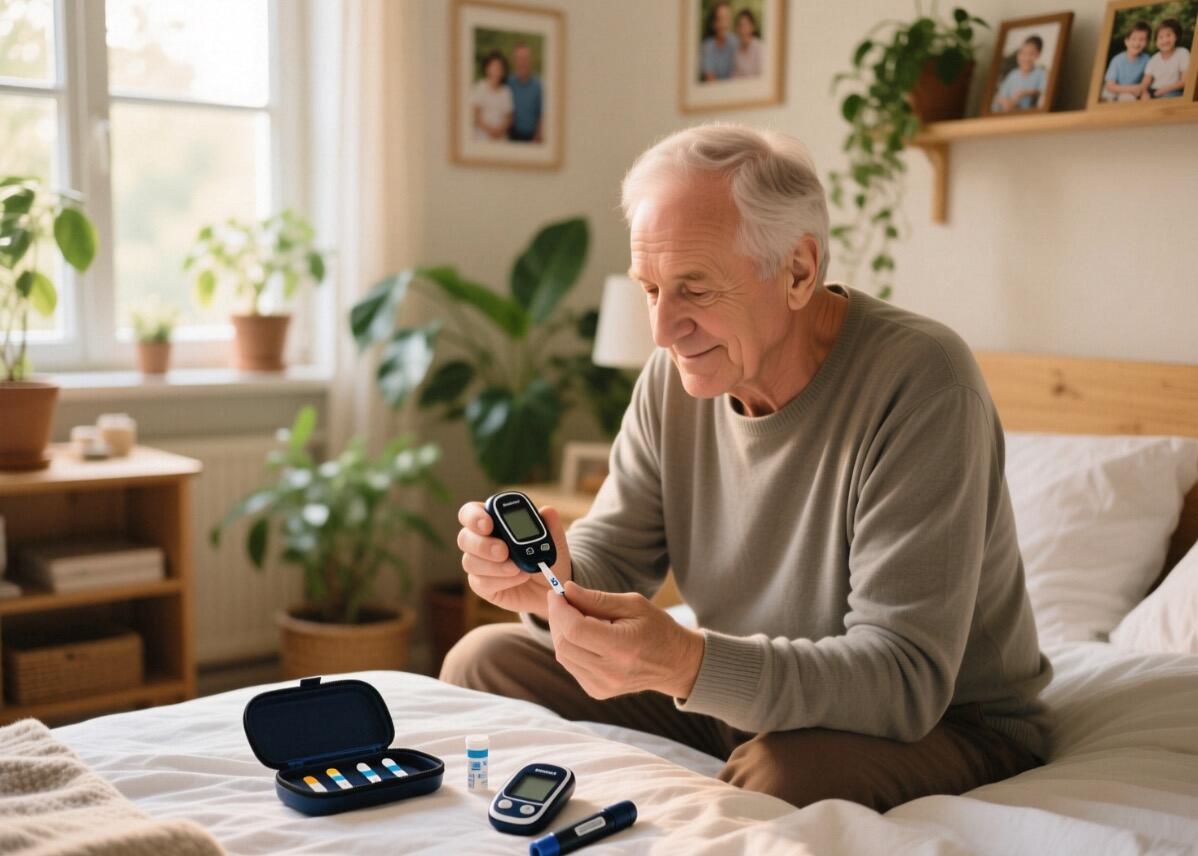
The engineering team at Bio-Integrated Solutions needed a reliable, FDA-cleared glucometer system to serve as the glucose measurement engine for their new remote patient monitoring (RPM) platform. Their primary technical risk was the well-known industry problem of lot-to-lot variability in test strips from OEM suppliers, which could cause their entire platform to fail system-level validation.
Their supplier qualification process was intensely data-driven. They ultimately chose VistaMed after a multi-day on-site audit of our ISO 13485 certified facility and a thorough review of the BGM-Pro's complete Design History File (DHF). The results of the partnership speak for themselves in the language of engineering:
|
Technical Criterion |
The Common Supplier Red Flag |
The VistaMed Standard for Engineering Partners |
|
QMS & Process Control |
Unwilling to share process validation data or discuss their QMS. |
An open, auditable ISO 13485 certified QMS with a historical defect rate of <0.5%. |
|
Test Strip Lot-to-Lot Consistency |
No quantitative data on lot variability. |
Full lot release testing data available under NDA, demonstrating consistency that meets or exceeds ISO 15197:2013 requirements. |
|
Technical & Integration Support |
No access to real engineers; support is handled by sales. |
Direct access to a dedicated technical team (24/7 support) to resolve integration challenges at the engineering level. |
|
Documentation Quality |
Incomplete datasheets; no access to DHF or risk management files. |
A complete technical documentation package, including detailed specifications, validation reports, and a full risk analysis. |
Q1: What specific data can you provide on the enzymatic chemistry, electrode materials, and stability of your test strips?
A: Under a non-disclosure agreement, we can provide our engineering partners with detailed specifications on our test strip composition, including the specific glucose oxidase (GOx) enzyme used, the formulation of the mediators, and the materials for the carbon electrodes. Our stability data package includes both real-time and accelerated aging data to support our shelf-life claims, all conducted according to a formal validation protocol.
Q2: What is your detailed process for lot release testing for test strips?
A: Every manufactured lot of BGM-Pro test strips undergoes a multi-stage QC process. This includes testing a statistically significant sample of strips from across the production run against a panel of gravimetrically-prepared glucose control solutions at multiple concentrations. The lot is only released if the results meet the stringent accuracy and precision criteria laid out in ISO 15197:2013.
Q3: Do you provide the full communication protocol for the meter's data output?
A: Yes. For our OEM partners, we provide a complete technical guide to the meter's Bluetooth Low Energy (BLE) communication protocol, including the GATT profile, service and characteristic UUIDs, and the exact data packet structure for glucose readings, device status, and error codes.
For an R&D engineer, the supplier qualification process is a search for a partner who shares a commitment to empirical evidence, rigorous process control, and technical transparency. The best suppliers are not just vendors; they are an extension of your own engineering team. By selecting a partner based on the quality of their data and the rigor of their manufacturing processes, you build a foundation of reliability that de-risks your project and ensures the long-term success of your product in the field.
Beginning a new RPM or point-of-care project? Contact the VistaMed engineering team to request our BGM-Pro technical specifications and our ISO 15197:2013 compliance report.
Sources
[1] ISO 15197:2013 - In vitro diagnostic test systems — Requirements for blood-glucose monitoring systems for self-testing in managing diabetes mellitus. ISO.org.
[2] International Organization for Standardization. ISO 13485:2016, Medical devices — Quality management systems.
Disclaimer
The information provided is for informational purposes and intended for a B2B audience, including R&D engineers and technical professionals. It is not a substitute for professional engineering advice or formal supplier qualification activities. Specifications and performance may vary based on system integration.

2026/02/25